If you’re considering Botox to smooth out wrinkles, you’re not alone. Many wonder whether Botox can help if wrinkles are already visible. Let’s explore how Botox works, its effectiveness on existing wrinkles, and what you can realistically expect.
What Is Botox?
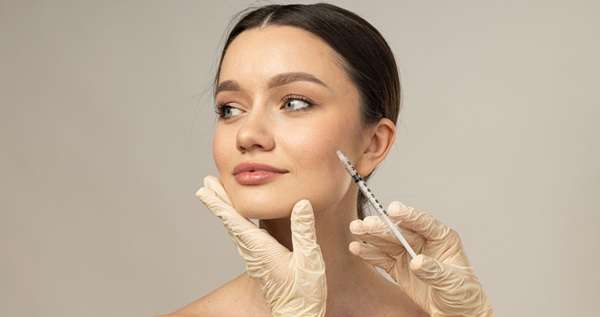
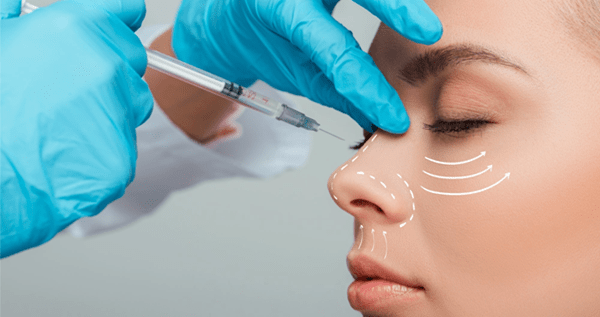
Botox is a popular cosmetic treatment containing botulinum toxin type A. It’s mainly used to reduce the appearance of wrinkles caused by muscle movement. When injected, it temporarily relaxes targeted muscles, making wrinkles less noticeable.
Understanding Wrinkles
Types of Wrinkles
- Dynamic Wrinkles: These form from repeated facial movements—think frown lines or crow’s feet.
- Static Wrinkles: These are visible even when your face is at rest, often from skin aging and volume loss.
Causes of Wrinkles
- Aging: Naturally, as we age, our skin produces less collagen and elastin, leading to thinning and sagging.
- Sun Exposure: Ultraviolet rays break down Collagen Fibers, accelerating skin aging.
- Repetitive Facial Movements: Frowning, squinting, and smiling can deepen lines over time.
How Does Botox Work?
The Mechanism of Action
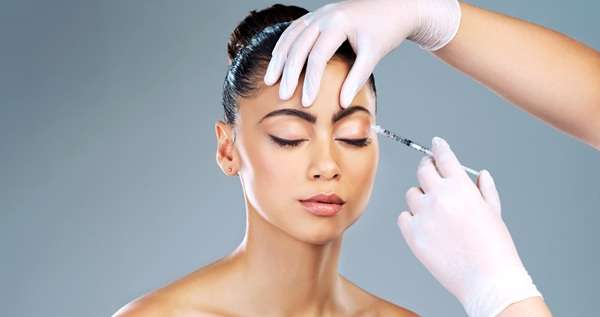
Botox works by blocking nerve signals to specific facial muscles. When injected, it temporarily paralyses these muscles, preventing them from contracting during facial expressions. This relaxation reduces the formation of new wrinkles and softens existing dynamic lines.
Common Treatment Areas
- Forehead Lines: Horizontal lines that appear when raising eyebrows.
- Glabellar Lines: Vertical lines between the eyebrows are often called “frown lines.”
- Crow’s Feet: Wrinkles that form at the outer corners of the eyes when smiling or squinting.
What You Can Expect
Results typically start to show within 3 to 7 days after treatment and last for about 3 to 6 months. Over time, repeated treatments may lead to longer-lasting results as the muscles become habituated to being relaxed.
Can Botox Treat Existing Wrinkles?
For Dynamic Wrinkles, Absolutely. Botox is especially effective at softening wrinkles caused by repeated muscle movements.
Impact on Static Wrinkles
- Botox can help reduce the appearance of some static wrinkles over time.
- However, it doesn’t remove wrinkles caused by skin aging, volume loss, or sun damage.
When Is Botox Most Effective?
Early intervention, before wrinkles become deeply ingrained, tends to produce better results. If your wrinkles are primarily due to muscle activity, Botox can significantly improve their appearance. It’s less effective for wrinkles that result from skin thinning, sun damage, or loss of facial volume.
Is Botox Suitable for All Wrinkles?
Dynamic vs. Static Wrinkles
Botox is best suited for dynamic wrinkles caused by muscle movement. For static wrinkles, especially those that are deep and well-established, other treatments—like dermal fillers, laser resurfacing, or chemical peels—may be more effective.
Combination Therapies
To achieve optimal results, many practitioners recommend combining Botox with other treatments:
- Dermal Fillers: These restore lost volume and fill static wrinkles.
- Laser Treatments and Chemical Peels: These improve skin texture, firmness, and overall appearance.
A personalized treatment plan can address both muscle-related lines and skin aging, providing a more comprehensive rejuvenation.
Factors Influencing Botox Results
Several factors can affect how well Botox works:
- Age and Skin Condition: Younger skin with good elasticity responds better.
- Severity of Wrinkles: Mild to moderate lines respond more favorably.
- Muscle Strength: Stronger muscles may require higher doses.
- Skin Elasticity: More elastic skin tends to smooth out better.
- Practitioner Skill: An experienced injector ensures precise placement and natural-looking results.
Final Thoughts
Botox can smooth out wrinkles from muscle movement and even improve deeper lines—but it’s not a cure-all. At Dr. Fazeela Abbasi’s Clinic, we create personalized treatment plans that combine Botox with other options for naturally refreshed results.