Facial hair removal has become increasingly popular, with many individuals seeking long-term solutions beyond traditional methods like shaving, waxing, or threading. Laser hair removal has emerged as a leading option for achieving smooth, hair-free facial skin. However, when it comes to treating such a delicate and visible area, safety naturally becomes the primary concern for most people considering this procedure.
The answer is reassuring: laser hair removal is indeed safe for facial areas when performed by qualified professionals using appropriate technology. Multiple clinical studies and decades of real-world application have demonstrated the safety and efficacy of laser hair removal for treating unwanted facial hair, including areas like the upper lip, chin, jawline, cheeks, and sideburns.
Understanding How Laser Hair Removal Works on the Face
Laser hair removal operates on the principle of selective photothermolysis, where concentrated light energy targets the melanin (pigment) in hair follicles. The laser emits specific wavelengths of light that are absorbed by the dark pigment in the hair shaft and follicle, converting light energy into thermal energy that damages the follicle structure and inhibits future hair growth.
The Technology Behind Facial Laser Hair Removal
Modern laser systems used for facial hair removal include several FDA-approved technologies:
- Diode lasers (800-810nm wavelength) – excellent for most skin types
- Alexandrite lasers (755nm wavelength) – ideal for lighter skin tones
- Nd: YAG lasers (1064nm wavelength) – safest for darker skin types
These systems incorporate advanced cooling mechanisms and precise energy delivery systems to ensure maximum safety while maintaining effectiveness.
Common Side Effects and Their Management
Immediate Post-Treatment Effects
Most side effects from facial laser hair removal are mild and temporary, typically resolving within hours to a few days:
- Redness and irritation – Similar to mild sunburn, usually subsides within 2-24 hours
- Slight swelling – Particularly around hair follicles, typically resolves quickly
- Skin sensitivity – Temporary increased sensitivity that diminishes rapidly
- Tingling sensation – Brief numbness or tingling that fades naturally
Pigmentation Changes
Temporary pigmentation changes can occur but are generally reversible. Patients with lighter skin may experience slight darkening, while those with darker skin might notice temporary lightening. These changes are usually temporary when proper pre- and post-treatment care is followed.
Rare but Serious Complications
Serious complications are extremely rare when treatments are performed by qualified professionals:
- Burns or blisters (less than 1% of cases)
- Permanent scarring (extremely rare)
- Eye injury (preventable with proper protective eyewear)
- Excessive hair growth in adjacent areas (paradoxical hypertrichosis)
Areas Where Facial Laser Hair Removal is NOT Recommended
Critical Safety Restrictions
The FDA and medical professionals strongly advise against laser hair removal in certain facial areas due to safety concerns:
- Around the eyes – Risk of severe eye injury
- Eyelids and eyebrows – Potential for permanent vision damage
- Very close to the eye socket – Laser energy can cause serious ocular complications
Protective Measures
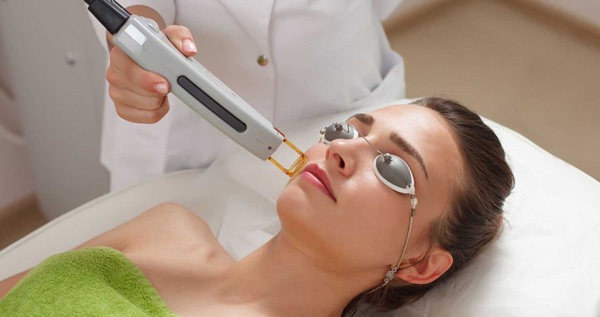
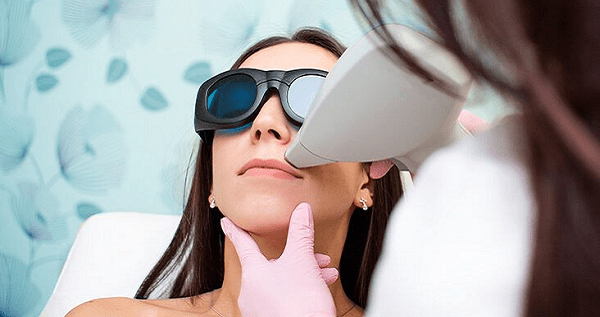
During facial treatments, both patients and operators must wear appropriate eye protection to prevent laser exposure to the eyes. Professional clinics use specialized protective eyewear designed specifically for the laser wavelengths being used.
Who Should Avoid Facial Laser Hair Removal?
Absolute Contraindications
Certain conditions make laser hair removal inadvisable:
- Active skin infections in the treatment area
- Decompensated diabetes mellitus
- Active cancer or ongoing chemotherapy
- Herpes simplex outbreaks in the treatment area
- Severe autoimmune disorders
- Pregnancy and breastfeeding (as a precautionary measure)
Relative Contraindications Requiring Medical Consultation
Some conditions require professional evaluation, but don’t necessarily exclude treatment:
- Recent sun exposure or tanning
- Use of photosensitizing medications (like isotretinoin/Accutane)
- History of keloid scarring
- Chronic skin conditions (psoriasis, eczema)
- Multiple moles in the treatment area
- Recent use of other hair removal methods
Factors That Enhance Safety and Effectiveness
Professional Expertise
The safety of facial laser hair removal significantly depends on the practitioner’s qualifications and experience. Board-certified dermatologists or trained laser technicians under medical supervision provide the highest level of safety.
Appropriate Technology Selection
Different skin types require specific laser technologies for optimal safety:
- Fair skin (Fitzpatrick I-III): Alexandrite or diode lasers
- Medium skin (Fitzpatrick III-IV): Diode lasers with appropriate settings
- Dark skin (Fitzpatrick V-VI): Nd: YAG lasers for maximum safety
Customized Treatment Parameters
Professional practitioners adjust laser settings based on individual factors, including skin type, hair color, hair thickness, and treatment area, to maximize safety while ensuring effectiveness.
Pre-Treatment Safety Preparation
Essential Pre-Care Steps
To ensure maximum safety for facial laser hair removal:
- Avoid sun exposure for 4-6 weeks before treatment
- Discontinue photosensitizing medications (with medical approval)
- Avoid other hair removal methods (waxing, plucking) for 4-6 weeks
- Shave the treatment area 24-48 hours before the session
- Avoid self-tanning products for several weeks before
- Inform practitioners of all medications and medical conditions
Post-Treatment Care for Optimal Safety
Immediate Aftercare
Following proper post-treatment care is crucial for preventing complications:
- Apply cold compresses to reduce swelling and discomfort
- Avoid hot showers or baths for 24-48 hours
- Use gentle, fragrance-free skincare products
- Apply broad-spectrum SPF 30+ sunscreen daily
- Avoid touching or rubbing the treated area
- Stay out of direct sunlight for several days
Long-Term Safety Considerations
No Link to Serious Health Conditions
Extensive research has found no evidence linking laser hair removal to cancer, infertility, or other serious long-term health effects. The laser energy used in hair removal treatments is non-ionizing radiation, which does not cause cellular damage associated with cancer risk.
Sustained Safety Profile
Long-term follow-up studies spanning over a decade have confirmed the sustained safety of laser hair removal treatments, with no emergence of delayed complications or health concerns.
Choosing the Right Provider for Maximum Safety
Essential Qualifications to Look For
When selecting a provider for facial laser hair removal, ensure they have:
- Board certification in dermatology or appropriate medical training
- Extensive experience with laser hair removal, particularly facial treatments
- FDA-approved laser equipment with proper maintenance records
- Comprehensive consultation process, including medical history review
- Detailed informed consent procedures
- Emergency protocols and medical supervision are available
Book Your Consultation with Dr. Fazeela Abbasi
If you’re considering laser hair removal for your face and want to ensure the safest, most effective treatment possible, Dr. Fazeela Abbasi offers expert dermatological care in Islamabad. With over 22 years of experience in dermatology and specialized training in laser treatments, Dr. Abbasi provides comprehensive facial laser hair removal services using the latest FDA-approved technology, including the advanced Candela GentleMax Pro system with dual wavelengths (Nd: YAG and Alexandrite).
Dr. Abbasi’s clinic specializes in treating all skin types safely and effectively, with particular expertise in facial hair removal for the upper lip, chin, jawline, and other facial areas. Her personalized approach ensures that each treatment plan is tailored to your specific skin type, hair characteristics, and aesthetic goals, maximizing both safety and results.
To schedule your consultation with Dr. Fazeela Abbasi:
- Location: DFA Clinic, House no.2, Street 44, F-8/1, Islamabad, Pakistan.
- Contact: +92 51 8733552
During your consultation, Dr. Fazeela Abbasi will conduct a thorough assessment of your skin and hair type, discuss your medical history, explain the treatment process in detail, and develop a customized treatment plan designed specifically for your needs.