Hair loss is one of those things you don’t fully understand until it’s happening to you. Whether it’s a widening part, a thinning crown, or a handful of hair in the shower drain, it hits differently. And if you’ve been down the road of minoxidil, PRP, supplements, and still feel like you’re fighting a losing battle, you’re not alone.
That’s exactly where Exosome Therapy is starting to change the conversation. It’s not a miracle cure, but the science behind it is genuinely exciting, and the results people are seeing are hard to ignore.
What Are Exosomes, Really?
Let’s get the basics out of the way without going too clinical about it.
Exosomes are tiny vesicles essentially microscopic “messenger packets” that cells use to communicate with each other. They carry proteins, lipids, RNA, and growth factors that signal surrounding cells to regenerate, repair, and behave in specific ways.
Think of them as biological text messages. One cell sends a message; another receives it and acts accordingly.
In the context of hair loss, the exosomes used in treatment are typically derived from stem cells (often mesenchymal stem cells). When introduced to the scalp, they deliver signals that can wake up dormant hair follicles, reduce inflammation, and stimulate the kind of cellular activity needed for new hair growth.
Why Exosomes for Hair Loss? The Science Behind It
Here’s where it gets interesting. Hair follicles that are “miniaturized” shrunk due to DHT sensitivity, stress, or inflammation don’t necessarily need to be replaced. They often just need the right signals to function properly again.
Exosome therapy works by:
- Delivering growth factors directly to the follicle — including VEGF, FGF, and IGF-1, which are critical for follicle health and hair cycling
- Reducing scalp inflammation, which is a major — and often overlooked — driver of hair loss, especially in androgenetic alopecia
- Extending the anagen (growth) phase of the hair cycle, so existing hairs grow longer and stronger before shedding
- Reactivating dormant follicles that may have been inactive for months or even years
One thing that makes exosomes stand out from older treatments is the sheer volume of signaling molecules they carry. A single treatment session can deliver billions of exosomes, each packed with regenerative cargo.
How Does Exosome Treatment Actually Work?
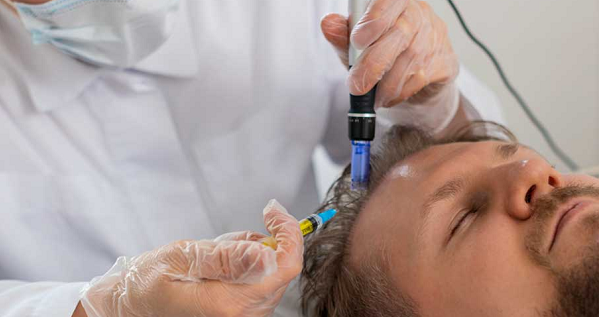
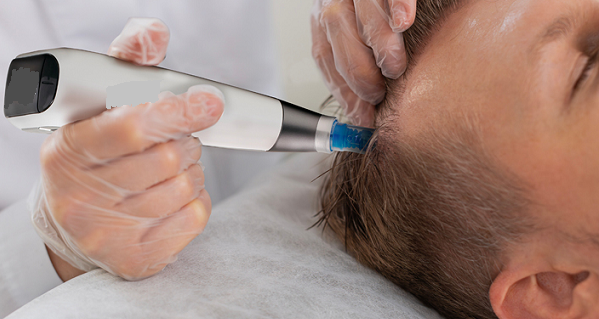
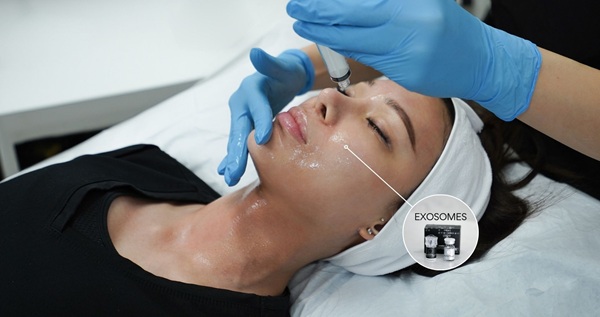
The process is more straightforward than people expect. In a clinical setting — say, at a practice like Dr. Fazeela Abbasi’s in Islamabad, an exosome solution is typically applied to the scalp through microinjections or microneedling. The microneedling creates tiny channels in the skin, allowing the exosomes to penetrate deeper into the follicular layer.
The whole session usually takes under an hour. There’s minimal downtime. Some mild redness or scalp sensitivity for a day or two, that’s about it for most people.
Results aren’t instant, which is worth knowing upfront. Hair growth cycles take time. Most patients start noticing improved hair texture and reduced shedding within 4–8 weeks, with more visible regrowth appearing around the 3–6 month mark.
Exosomes vs. PRP – What’s the Difference?
This is probably the most common question people have, and it’s a fair one.
PRP (Platelet-Rich Plasma) uses your own blood, spun down to concentrate growth factors from platelets. It works — it’s been used for years and has solid evidence behind it. But the quality of PRP depends heavily on your own platelet count and health, which varies from person to person.
Exosomes, by contrast, are standardized. The concentration of growth factors and signaling molecules is consistent and often significantly higher than what PRP can deliver. They’re also acellular, meaning there’s no cell material — just the messaging components. This lowers the risk of adverse reactions.
Dr. Fazeela Abbasi, who offers both treatments, has noted that exosomes tend to work particularly well for patients who haven’t responded optimally to PRP, or for those who want a more potent first-line treatment.
Who’s a Good Candidate?
Exosome therapy isn’t just for one type of hair loss. It’s shown promise across several conditions:
- Androgenetic alopecia (male and female pattern baldness) — the most common type
- Alopecia areata — where inflammation drives patchy loss
- Stress-induced hair shedding (telogen effluvium)
- Post-partum hair loss
- Thinning due to nutritional deficiencies or hormonal shifts
The earlier you start, the better. Exosomes can help reactivate follicles, but they can’t bring back follicles that have been completely scarred over. If there’s still some viable follicular tissue, there’s potential.
Exosomes Treatment in Islamabad – What You Should Know:
Interest in Exosomes Treatment in Islamabad has grown considerably over the past couple of years. People are actively looking for alternatives to hair transplant surgery, especially for early-to-mid-stage hair loss where surgical intervention might be premature.
Exosomes for Hair in Islamabad are increasingly being offered at dermatology and aesthetic clinics, but the quality of the exosome product matters enormously. Not all preparations are equal — look for clinics using pharmaceutical-grade exosomes from reputable labs, with traceable sourcing and proper storage protocols.
Exosomes for Hair Loss in Islamabad, done correctly with the right product, the right technique, and a qualified specialist, produce meaningfully different results than a cut-rate version of the same treatment.
What Results Are Realistic?
Honest answer: Most patients see improvement, not complete restoration. That’s not a knock on the treatment; it’s just how hair loss biology works.
What you can reasonably expect from a well-administered course of exosome therapy:
- Reduction in daily shedding
- Increased hair density over time
- Stronger, thicker individual strands
- Some regrowth in thinning areas (especially if follicles are still active)
Maintenance sessions every 6–12 months can help sustain the results. Many patients combine exosome therapy with topical finasteride or minoxidil for compounded benefit.
FAQs:
How Many Sessions of Exosome Therapy do I Need for Hair Loss?
Most practitioners recommend 2–3 sessions spaced 4–6 weeks apart for the initial course, followed by annual maintenance.
Is Exosome Hair Treatment Painful?
There’s mild discomfort from the microinjections or microneedling. Most clinics apply a topical numbing cream beforehand to make it manageable.
Are Exosomes Safe for Hair Loss Treatment?
Yes, when sourced from reputable labs and administered by trained professionals. Adverse events are rare because exosomes are acellular and typically well-tolerated.
How Long Do Exosome Results Last for Hair?
Results can last 12–18 months before a top-up is recommended. This varies depending on the underlying cause of hair loss and individual biology.
Can Exosomes Regrow Completely Bald Areas?
Not typically. Exosomes work best where follicles are still present but underperforming. Completely bald areas with scarred follicles are less likely to respond.
How Much Does Exosome Treatment Cost in Islamabad?
Pricing varies by clinic and the number of sessions required. It’s worth consulting directly with a specialist for a personalized plan and quote.
Final Thoughts!
Exosome therapy represents one of the most scientifically grounded advances in hair loss treatment we’ve seen in years. It’s not hype, it’s cell biology applied practically, and the early results are genuinely encouraging.
That said, it’s not a one-size-fits-all fix. Getting the right diagnosis, understanding the root cause of your hair loss, and working with an experienced specialist makes all the difference. Whether you’re exploring it as a standalone treatment or as part of a broader hair health plan, exosomes deserve serious consideration, especially if you’ve already tried the conventional options without the results you were hoping for.
If you’re in Pakistan and considering this route, reaching out to a qualified dermatologist like Dr. Fazeela Abbasi, who has experience with both the science and the practical application of exosome therapy, is a smart first step. Ask the right questions, understand the process, and go in with realistic expectations. That combination tends to lead to the best outcomes.