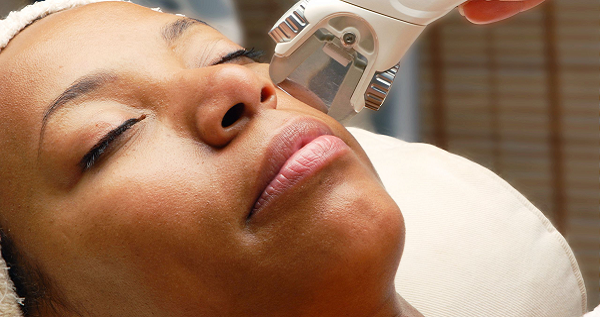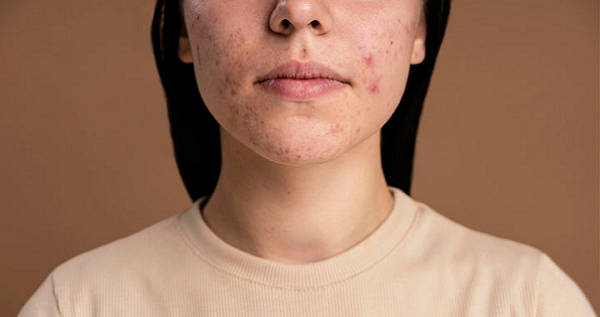
Skin allergies can be frustrating, unpredictable, and sometimes even life-disrupting. One day your skin feels fine, and the next you’re dealing with itching, redness, swelling, or painful rashes. Over the years, working closely in dermatology settings and observing patient cases, one thing has become clear: most skin allergies are manageable when treated correctly and prevented with consistent care.
In this guide, we’ll break down the Best Skin Allergy Treatments and how to Prevent Future Reactions, including what actually works in real-life clinical practice and how the Best Dermatologists approach long-term skin allergy management to help reduce future flare-ups.
Understanding Skin Allergies (Why They Happen):
Before jumping into treatment, it’s important to understand what we’re dealing with.
Skin allergies happen when your immune system overreacts to something harmless. Common triggers include:
- Dust and pollen
- Certain foods
- Fragrances in skincare products
- Metals like nickel (jewelry)
- Weather changes
- Medications
In many cases, seen by dermatologists like Dr Fazeela Abbasi, patients don’t even realize they’re repeatedly exposing themselves to the same trigger. That’s why identifying the cause is just as important as treating the symptoms.
Best Skin Allergy Treatments That Actually Work?
Competitor articles often list generic creams and antihistamines, but they miss one key thing: treatment must match severity and cause. Here’s a more practical breakdown:
1. Antihistamines for Quick Relief:
For mild to moderate allergic reactions, oral antihistamines help control itching and swelling.
Commonly used options include non-drowsy formulas for daytime use and mild-sedating ones for nighttime sleep support.
They don’t cure the allergy but reduce discomfort quickly.
2. Topical Corticosteroids (For Inflamed Skin):
When redness and inflammation are visible, steroid creams are often prescribed for short-term use.
Important note: Overuse can thin the skin, so they should always be used under medical supervision from a Skin Specialist in Islamabad or your local dermatologist.
3. Moisturizers and Barrier Repair Creams:
One underrated treatment is restoring the skin barrier.
In clinical experience, patients who consistently use fragrance-free moisturizers recover faster and experience fewer flare-ups.
Look for:
- Ceramide-based creams
- Hypoallergenic moisturizers
- Fragrance-free formulas
4. Allergy Testing (The Missing Step in Most Guides):
Many online guides skip this entirely, but it’s often the turning point.
Patch testing or blood tests help identify hidden triggers like:
- Cosmetics
- Food additives
- Environmental allergens
This step is strongly emphasized in dermatology practices like those followed by Dr Fazeela Abbasi, where long-term prevention is prioritized over temporary relief.
5. Advanced Treatments for Chronic Cases:
For severe or recurring allergies, dermatologists may recommend:
- Immunotherapy
- Prescription-strength topical treatments
- Short courses of oral steroids (carefully monitored)
These are not first-line solutions but can be life-changing for chronic sufferers.
What Competitor Articles Miss (Important Insights)?
After reviewing common top-ranking content on this topic, several gaps stand out:
- They focus too much on creams, not causes
- Limited discussion on prevention strategies
- No mention of environmental control at home
- Weak explanation of long-term skin barrier health
- Little emphasis on professional diagnosis
This is where real dermatology experience matters because treating symptoms alone often leads to recurring problems.
How to Prevent Future Skin Allergies?
Treatment is only half the journey. Prevention is where long-term skin health is built.
1. Identify and Avoid Triggers:
Keep a simple diary of flare-ups. Note what you ate, used, or touched.
2. Simplify Your Skincare Routine:
Less is more. Avoid layering too many active ingredients.
Stick to:
- Gentle cleanser
- Moisturizer
- Sunscreen
3. Choose Hypoallergenic Products:
Always check labels for:
- Fragrance-free
- Alcohol-free
- Dermatologist-tested
4. Strengthen Your Skin Barrier:
A strong skin barrier reduces allergen penetration. Consistent moisturizing is key.
5. Consult a Specialist Early:
If symptoms keep returning, don’t self-medicate endlessly. Visiting a Skin Specialist in Islamabad can save time, money, and long-term skin damage.
Professionals like Dr Fazeela Abbasi often see patients who waited too long, making early diagnosis even more important.
When to See a Dermatologist?
You should seek medical help if you experience:
- Persistent itching for more than a week
- Widespread rashes
- Swelling around the eyes or lips
- Repeated flare-ups without a clear cause
Early intervention prevents complications and helps create a targeted treatment plan.
FAQs:
What is the Fastest Treatment for Skin Allergies?
Antihistamines and soothing topical creams usually provide quick relief, but the trigger must be identified for long-term results.
Can Skin Allergies be Permanently Cured?
Not always. However, they can be effectively managed and prevented with proper diagnosis and lifestyle changes.
Are Natural Remedies Effective?
Some like aloe vera or oatmeal baths may soothe symptoms, but they should not replace medical treatment in moderate or severe cases.
When Should I See a Dermatologist?
If symptoms persist, worsen, or keep returning, consult a Skin Specialist in Islamabad for proper evaluation.
Final Thoughts!
Skin allergies are more than just a surface problem; they’re often signals from your body that something deeper is triggering a reaction. While over-the-counter treatments can help temporarily, long-term relief comes from understanding the cause and building a prevention-focused routine.
From clinical observations and dermatology practices followed by experts like Dr Fazeela Abbasi, the most successful outcomes always combine correct diagnosis, consistent skincare, and trigger avoidance.
If you’re struggling with recurring skin issues, don’t rely only on guesswork. A structured approach guided by a qualified dermatologist can make all the difference in restoring healthy, comfortable skin.