Dark or black spots on the face can be frustrating, especially when they remain long after acne, irritation, or sun exposure has disappeared. You may have tried brightening creams, home remedies, or different skincare products without seeing lasting improvement.
The important thing to understand is that black spots on the face aren’t always caused by the same problem. They may be post-inflammatory hyperpigmentation after acne or irritation, melasma, sun-related pigmentation, or another skin condition. That’s why effective Black Spots on Face Treatment starts with identifying the underlying cause rather than simply trying to “lighten” the skin. Consulting a qualified Dermatologist in Islamabad can help determine the cause of pigmentation and recommend the most appropriate treatment for your skin.
What Causes Black Spots on the Face?
Hyperpigmentation develops when the skin produces excess melanin, the pigment responsible for skin color. Several factors can stimulate this process.
Common causes include:
- Acne and inflammation: Pimples can leave flat brown or dark marks after they heal. These are often post-inflammatory hyperpigmentation rather than true acne scars.
- Sun exposure: UV and visible light can stimulate pigment production and make existing spots darker.
- Melasma: Often appears as symmetrical brown or gray-brown patches, particularly on the cheeks, forehead, upper lip, and chin.
- Skin irritation: Harsh products, burns, waxing, or aggressive treatments can trigger pigmentation.
- Hormonal changes: Pregnancy and certain medications can contribute to melasma.
- Skin injuries or inflammation: Cuts, insect bites, eczema, or other inflammatory conditions may leave dark marks.
Because these conditions can look similar, treatment should be based on an appropriate skin assessment.
What Is the Best Black Spots on Face Treatment?
There isn’t one universal treatment that works for every dark spot. A dermatologist may recommend a combination of sun protection, topical medication, and selected procedures depending on the type and depth of pigmentation.
1. Daily Sunscreen
Sunscreen is one of the most important parts of pigmentation management.
A broad-spectrum SPF 30 or higher can help prevent existing pigmentation from becoming darker and reduce the development of new spots. For people prone to melasma or hyperpigmentation, tinted sunscreen containing iron oxides may provide additional protection against visible light.
Practical habits include:
- Apply sunscreen every morning.
- Reapply when spending extended periods outdoors.
- Wear a hat or seek shade when possible.
- Don’t rely on sunscreen only during summer.
2. Prescription and Dermatologist-Recommended Creams
Depending on the diagnosis, a dermatologist may recommend ingredients such as:
- Azelaic acid
- Vitamin C
- Retinoids
- Kojic acid
- Glycolic acid
- Hydroquinone in appropriate cases
These ingredients work through different mechanisms, including reducing excess pigment production and encouraging skin renewal.
Prescription treatments should be used according to professional guidance, particularly when stronger formulations are involved.
3. Chemical Peels
Chemical peels use controlled chemical solutions to exfoliate the outer layers of the skin.
They may be considered for selected pigmentation concerns, but the strength and type of peel matter. Overly aggressive treatment can irritate the skin and potentially worsen pigmentation, particularly in people who are prone to post-inflammatory hyperpigmentation.
4. Laser and Light-Based Treatments
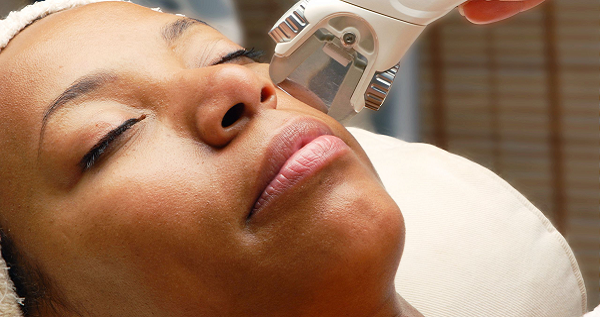
Certain laser or light-based procedures may help selected types of pigmentation.
However, “laser for pigmentation” isn’t a single treatment. The appropriate technology, settings, number of sessions, and patient selection all matter.
Laser treatment can also have side effects such as redness, swelling, temporary or persistent changes in pigmentation, and—in some circumstances scarring.
That’s why pigmentation should ideally be assessed by an experienced dermatologist before a laser procedure is chosen.
5. Microneedling and Combination Treatments
Microneedling may be incorporated into a treatment plan for some pigmentation concerns. In certain cases, dermatologists combine procedures with topical medications and strict photoprotection rather than relying on a procedure alone.
For melasma in particular, the American Academy of Dermatology notes that treatment may involve a combination of sun protection, topical medication, and sometimes procedures such as chemical peels, microneedling, or laser/light treatments.
How Does Dermatologist-Led Pigmentation Treatment Work?
A professional treatment plan usually follows a more careful process than simply buying a pigmentation cream.
Step 1: Identify the Type of Pigmentation
Your dermatologist examines the pattern, color, location, and history of the spots. Tools such as a dermatoscope or Wood’s lamp may sometimes help assess pigmentation more closely.
Step 2: Identify Triggers
Your doctor may ask about:
- Sun exposure
- Acne or previous rashes
- Skincare products
- Hormonal changes
- Medications
- Previous peels or laser treatments
Step 3: Choose the Least Aggressive Effective Approach
Not every patient needs a laser or peel. Sometimes consistent sunscreen and an appropriate topical treatment are enough.
Step 4: Monitor the Response
Pigmentation treatment often takes patience. For melasma, the AAD notes that improvement can take several months, with some treatment plans requiring 3–12 months to show meaningful results.
Who Is a Good Candidate for Treatment?
You may benefit from professional evaluation if:
- Dark spots have persisted for months.
- Pigmentation keeps returning.
- Acne marks aren’t fading.
- Melasma is affecting your confidence.
- Over-the-counter products haven’t helped.
- You’re considering a chemical peel or laser.
- You’re unsure what is causing the discoloration.
A consultation is especially useful before starting aggressive treatments because the wrong approach can cause irritation and potentially worsen pigmentation.
Who Should Avoid Treating Black Spots at Home?
Be cautious about self-treatment if the spots are:
- Rapidly changing
- Bleeding or crusting
- Painful
- Unusual in appearance
- Associated with a new skin growth
- Accompanied by significant inflammation
Not every dark spot is simple hyperpigmentation. A changing or suspicious lesion should be medically assessed rather than treated with a cosmetic lightening product.
Why Skin Type Matters?
Pigmentation treatment requires particular care in medium-to-dark skin tones because inflammation itself can trigger additional pigmentation.
This is one reason an aggressive “stronger is better” approach isn’t necessarily appropriate. The objective should be to reduce unwanted pigmentation without unnecessarily irritating or damaging the surrounding skin.
Dr. Fazeela Abbasi’s published guidance on treating dark spots in darker skin similarly emphasizes accurate assessment and carefully selected treatment rather than aggressive procedures that may cause further pigmentation or hypopigmentation.
If you’re searching for a Skin Specialist in Islamabad, this type of individualized assessment is an important factor when choosing a provider.
Common Mistakes That Can Make Dark Spots Worse
Some of the most common mistakes include:
- Skipping sunscreen
- Using too many exfoliating products
- Scrubbing the face aggressively
- Picking acne
- Using unregulated “fairness” or bleaching products
- Applying prescription medicines without guidance
- Choosing a laser based only on price
- Expecting pigmentation to disappear after one session
The AAD also warns that some unregulated skin-lightening products have been found to contain undeclared steroids or mercury, which can cause significant skin problems.
How Much Does Black Spot Treatment Cost?
The cost varies considerably depending on the cause of pigmentation and the treatment selected.
A consultation may cost less than a procedure, while treatments such as chemical peels, laser sessions, or combination protocols can involve multiple appointments.
Instead of asking only, “How much is pigmentation treatment?”, ask:
- What is causing my pigmentation?
- What treatment do I actually need?
- How many sessions might be required?
- Are maintenance treatments necessary?
- What are the possible side effects?
- What happens if pigmentation returns?
A good treatment plan should consider both effectiveness and long-term skin health.
Frequently Asked Questions
How Does Black Spot Treatment work?
Treatment depends on the cause. Dermatologists may use sunscreen, topical medications, chemical peels, microneedling, laser/light treatments, or combinations of these approaches.
Is Black Spot Treatment Safe?
It can be safe when the diagnosis is correct, and treatment is selected and performed appropriately. However, every procedure has potential risks. Aggressive treatment can sometimes cause irritation or changes in pigmentation.
How Long Do Black Spots Take to Fade?
It varies. Some superficial dark marks gradually fade over several months, while deeper pigmentation can take substantially longer. Treating the underlying trigger and protecting the skin from sunlight can help prevent continued darkening.
How Long Do Treatment Results Last?
Results depend on the cause. Post-acne pigmentation may gradually resolve, while conditions such as melasma can recur when triggers such as sunlight or hormonal factors remain. Consistent sun protection is therefore important even after the skin improves.
Is Professional Treatment Worth it?
If pigmentation is persistent, recurrent, or resistant to basic skincare, professional assessment can be worthwhile. A dermatologist can determine whether you need topical treatment, a procedure, a combination approach, or simply better prevention.
What Should I Expect Before and After Treatment?
Before treatment, expect a skin assessment and discussion of your medical history, skincare routine, previous treatments, and pigmentation triggers.
After treatment, follow the recommended skincare and sun-protection routine carefully. When looking for a Dermatologist in Islamabad, consider more than the treatment menu.
mended skincare and sun-protection routine carefully. Depending on the procedure, temporary redness, sensitivity, peeling, or swelling may occur. Your dermatologist should explain expected recovery and warning signs beforehand.
Choosing a Dermatologist in Islamabad
Look for a qualified professional who:
- Diagnoses the pigmentation before recommending treatment
- Understands different skin tones and pigmentation patterns
- Explains benefits and limitations honestly
- Discusses possible side effects
- Doesn’t promise instant or permanent results
- Recommends procedures only when appropriate
- Provides clear aftercare instructions
Dr. Fazeela Abbasi is one example of a dermatologist practicing in Islamabad who offers medical and aesthetic dermatology services, including pigmentation-focused treatments. Her clinic’s published information emphasizes personalized treatment planning for different skin concerns.
Final Thoughts
Finding the right black spots on face treatment starts with understanding why the pigmentation developed. Acne marks, melasma, sun-related spots, and irritation-related pigmentation may look similar but shouldn’t automatically be treated in the same way.
For many people, the foundation is simple: identify the cause, protect the skin from sunlight, avoid unnecessary irritation, and use evidence-based treatment consistently. Procedures such as peels, microneedling, or laser therapy may have a role for selected patients, but they should be chosen carefully.
If your dark spots are persistent or keep returning, consulting a qualified Skin Specialist in Islamabad, such as Dr Fazeela Abbasi, can help you move away from trial-and-error skincare and toward a treatment plan that’s appropriate for your skin and realistic for your goals.