Hair loss is one of those concerns that quietly affects confidence long before people talk about it openly. In clinics, I’ve seen patients try everything from oils to medications before finally asking about advanced regenerative treatments like Stem Cell Therapy for Hair Loss for Hair Loss: Does It Really Regrow Hair?
The big question always comes up early: Does it really regrow hair, or is it just marketing hype?
The honest answer is somewhere in between. It depends on the stage of hair loss, the technique used, and how realistic expectations are from the start.
Understanding Hair Loss Before Treatment:
Before evaluating Stem Cell Therapy, it’s important to understand what causes hair thinning in the first place.
1. Androgenetic Alopecia (Genetic Hair Loss):
The most common cause in both men and women. Hair follicles gradually shrink over time.
2. Hormonal Imbalances:
Conditions like thyroid disorders or postpartum hormonal shifts can trigger sudden shedding.
3. Stress and Lifestyle Factors:
Chronic stress, poor sleep, and nutritional deficiencies often accelerate hair fall.
4. Scalp Inflammation:
Seborrheic dermatitis or chronic dandruff can weaken follicles if untreated.
Once follicles are fully dormant or scarred, regrowth becomes significantly more difficult, even with advanced treatments.
What Competitor Articles Usually Miss?
Most online content about stem cell therapy tends to oversell it. Common gaps include:
- No clear explanation of what type of stem cells are used
- Confusing marketing terms with actual medical procedures
- Lack of distinction between “hair regrowth” and “hair thickening.”
- No mention of candidacy limitations
- Unrealistic before/after expectations
What patients actually want to know is much simpler:
- Will my bald areas fully regrow?
- Is it better than PRP or hair transplant?
- How many sessions do I really need?
- Is it safe and approved?
- How long do results last?
What Is Stem Cell Therapy for Hair Loss?
Stem cell therapy in hair restoration usually involves extracting regenerative cells, often from fat tissue or scalp micro-grafts, and injecting them into areas of thinning hair.
The goal is not to “create new hair follicles” from nothing, but to:
- Reactivate weakened follicles
- Improve blood supply to the scalp
- Reduce inflammation
- Extend the growth phase of existing hair
This is why results vary so much between individuals.
Does It Really Regrow Hair?
This is where expectations need to stay grounded.
It can help with:
- Early-stage thinning
- Miniaturized hair follicles
- Diffuse hair fall
- Improving hair density and thickness
It does NOT work well for:
- Completely bald areas with no active follicles
- Long-standing genetic baldness
- Scarring alopecia (in most cases)
In simpler terms: it improves what’s still alive, not what’s already gone.
In my clinical observations, patients with early hair thinning respond noticeably better than those expecting full restoration of bald patches.
Stem Cell Therapy vs PRP vs Hair Transplant:
Patients often confuse these treatments, so here’s a clear comparison:
PRP (Platelet-Rich Plasma):
- Uses growth factors from your own blood
- Improves hair strength and shedding
- Best for early hair loss
Stem Cell Therapy:
- More regenerative potential than PRP
- Targets follicle repair and activation
- Results vary depending on technique and patient biology
Hair Transplant:
- Surgically moves follicles from the donor area
- Best for advanced baldness
- Permanent but invasive
Often, dermatologists combine these treatments rather than using just one approach.
Stem Cell Therapy in Islamabad: What to Expect?
When patients search for Stem Cell Therapy in Islamabad, they often assume results are standardized. In reality, outcomes depend heavily on:
- Clinic expertise
- Type of stem cell technique used
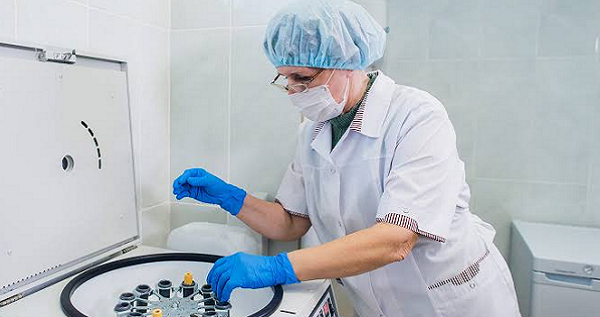
- Sterility and lab processing quality
- Patient selection
This is where experience matters more than technology itself.
In consultations, I’ve seen that proper evaluation before treatment is what prevents disappointment later. Not every type of hair loss is suitable for regenerative therapy.
Clinical Insight from Dr Fazeela Abbasi:
In dermatology-driven hair restoration approaches, experts like Dr Fazeela Abbasi often emphasize one key principle: don’t chase procedures before diagnosing the cause.
In practice, I’ve observed this philosophy consistently; patients are first evaluated for hormonal imbalance, nutritional deficiency, and scalp health before being recommended advanced therapies like stem cell-based treatments.
This structured approach ensures that regenerative therapies are used where they actually make sense, not as a blanket solution for all hair loss cases.
What Results Actually Look Like?
One of the most misunderstood aspects of stem cell therapy is timing.
Typical timeline:
- 2–4 weeks: Reduced shedding
- 2–3 months: Early thickening
- 4–6 months: Visible density improvement
But results are gradual, not dramatic overnight changes.
Patients expecting immediate regrowth often feel disappointed, even when the treatment is working correctly.
Risks and Limitations:
While generally considered safe when performed properly, stem cell therapy is not risk-free or guaranteed.
Possible concerns include:
- Mild scalp swelling or redness
- Temporary shedding phase
- Variable results depending on individual response
- High cost compared to PRP
It’s also important to understand that regulatory standards vary by clinic and region.
Who Is the Best Candidate?
You may benefit most if:
- Hair thinning has just started
- You still have visible fine hair in thinning areas
- You want non-surgical options
- You are not ready for a transplant
It may not be suitable if:
- You have complete baldness
- You expect instant results
- You have an untreated scalp disease
FAQs:
Is Stem Cell Therapy Permanent for Hair Loss?
No. It can improve density, but maintenance sessions may be needed.
How Many Sessions are Required?
Usually 1–3 sessions, depending on severity.
Is it Better than PRP?
It can be more advanced, but not always superior for every case.
Is Stem Cell Therapy Painful?
Discomfort is minimal; local anesthesia is typically used.
Can Women Undergo Stem Cell Therapy for Hair Loss?
Yes, especially for hormonal or diffuse thinning.
Conclusion!
Stem Cell Therapy for Hair Loss sits in an interesting space between science and expectation. It’s not a miracle cure, but it is a promising regenerative option for the right candidate.
In real clinical practice, including approaches followed by specialists like Dr Fazeela Abbasi, the focus is never on selling a treatment; it’s on matching the right therapy to the right stage of hair loss.
If there’s one honest takeaway, it’s this: stem cell therapy can support regrowth, but only when there’s still something left to work with. The earlier you address hair thinning, the better your chances of meaningful, natural-looking improvement.
Get smarter responses, upload files and images, and more.