Introduction
If you’ve been searching for Safe and Effective Stem Cell Solutions you’ve probably noticed that the internet is full of bold promises. Some clinics describe stem cells as a breakthrough for almost every health or beauty concern, while others make the treatment sound far more experimental.
Stem-cell-based medicine is an active area of research, but not every treatment marketed as “stem cell therapy” has the same scientific evidence, regulatory status, or safety profile. The International Society for Stem Cell Research (ISSCR) specifically warns patients to distinguish established treatments from experimental or unproven interventions.
For patients considering Stem Cell Therapy in Islamabad, the most important question isn’t simply, “Does it work?” It’s: What exactly is being offered, for whom, and under what medical protocol?
What Are Stem Cell Solutions?
Stem cells are cells with the ability to develop into certain specialized cell types and participate in tissue repair. Their potential has attracted considerable interest in regenerative medicine.
But “stem cell treatment” is a broad term. Depending on the procedure, a regenerative approach may involve:
- Autologous cells or tissue obtained from the patient
- Progenitor-cell or micrografting techniques
- Stem-cell-derived products
- Cell-free products such as certain growth-factor or extracellular-vesicle preparations
- Treatments being investigated through clinical research
These approaches shouldn’t automatically be treated as interchangeable.
The FDA, for example, cautions that many products marketed as regenerative medicine including certain stem-cell and exosome products haven’t been demonstrated to be safe or effective for the conditions for which they’re promoted.
That distinction is particularly important when comparing aesthetic treatments with formally approved stem-cell medicines.
Stem Cell Therapy for Hair Loss: What’s the Reality?
Hair restoration is one of the areas generating significant interest in regenerative dermatology.
The goal of some regenerative hair procedures is not to transplant large numbers of follicles, as in conventional hair transplantation. Instead, the objective may be to support the health and activity of existing follicles.
At Dr Fazeela Abbasi’s clinic, the published treatment portfolio includes Autologous Micrografting Progenitor Cell Therapy for hair concerns. The clinic describes this as a minimally invasive approach that uses the patient’s own tissue to support areas affected by hair thinning.
That terminology matters. Patients should ask whether a clinic is offering an actual stem-cell product, an autologous micrografting procedure, PRP, exosomes, or another regenerative technique rather than assuming every treatment labelled “stem cell” is the same.
How the Process May Work
A typical regenerative hair consultation should begin with diagnosis rather than immediately recommending a procedure.
Depending on the technique, the process may include:
- Hair and scalp assessment – The clinician identifies the likely cause and pattern of hair loss.
- Candidate evaluation – Medical history, medications, scalp health and expectations are reviewed.
- Collection or preparation – With autologous approaches, tissue may be obtained from the patient.
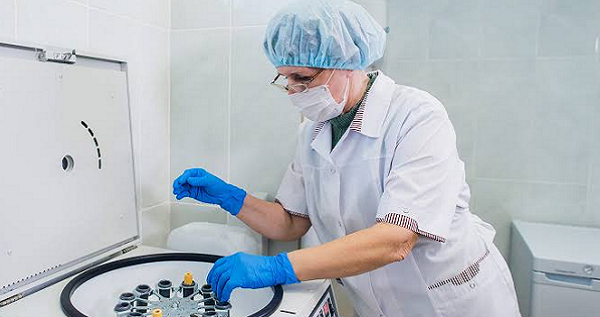
- Processing – The collected material is prepared according to the specific treatment protocol.
- Application to the scalp – The prepared material is delivered to selected areas.
- Follow-up – Hair density and scalp changes are assessed over time.
The exact protocol varies considerably between procedures, so patients should ask for the name of the technique and a clear explanation of what is actually being injected or applied.
Who May Be a Good Candidate?
Regenerative hair treatments may be considered for selected patients with early or moderate thinning, depending on the diagnosis and treatment being offered.
A consultation is particularly important because hair loss can result from very different causes, including:
- Androgenetic alopecia
- Traction alopecia
- Hormonal changes
- Nutritional deficiencies
- Thyroid or other medical conditions
- Telogen effluvium
- Inflammatory or scarring scalp disorders
A regenerative treatment won’t automatically address the underlying cause.
For example, if significant nutritional deficiency or an untreated medical condition is contributing to shedding, correcting that problem may be more important than proceeding directly to an aesthetic procedure.
Benefits and Limitations
Potential advantages of carefully selected regenerative hair procedures include:
- Minimally invasive treatment compared with surgery
- Use of autologous material in some techniques
- Potential support for existing, weakened follicles
- Little or no traditional transplant scarring with some approaches
- A possible option for patients who aren’t ready for surgical transplantation
However, patients should also understand the limitations.
Results aren’t guaranteed. Evidence for many regenerative hair approaches is still developing, and outcomes can differ according to the diagnosis, degree of follicle miniaturization, treatment technique and individual biology.
The ISSCR emphasizes that many commercially promoted stem-cell interventions remain insufficiently supported by high-quality evidence for routine use.
Is Stem Cell Therapy Safe?
Safety depends on much more than the words “stem cell.”
Important factors include:
- Who performs the procedure
- The source and identity of the cells or tissue
- How material is collected and processed
- Sterility and infection-control procedures
- Whether the treatment has appropriate regulatory oversight
- Proper patient selection
- Informed consent and follow-up
Minor effects such as temporary redness, swelling, tenderness or discomfort can occur after procedures involving scalp collection or injections.
More serious complications are possible with poorly regulated cell-based interventions. Regulatory authorities have reported concerns including infection, inflammatory reactions and, with certain unapproved products, serious adverse events.
That’s why claims such as “zero risk,” “guaranteed regrowth,” or “permanent results for everyone” should make you pause.
What Does Stem Cell Therapy Cost in Islamabad?
There isn’t one standard price for stem-cell-based treatments.
The cost may depend on:
- The specific technology or procedure
- Whether autologous tissue is used
- Laboratory or processing requirements
- The treatment area
- Number of sessions
- Follow-up requirements
- The clinic and practitioner’s expertise
Online prices can therefore be misleading. A cheaper procedure isn’t necessarily better value if the technique, safety controls or follow-up care are inadequate.
Before booking, ask for the complete cost, including consultation, procedure, medication if required, follow-up appointments and any additional sessions.
How to Choose a Safe Provider?
This is arguably the most important part of the decision.
Before undergoing Stem Cell Therapy in Islamabad, ask:
- What exactly is the treatment called?
- What cells, tissue or biological product are being used?
- Is the material autologous or donor-derived?
- What evidence supports this particular use?
- What are the known risks?
- Who performs the procedure?
- What happens if the treatment doesn’t work?
- Are there established alternatives such as medication, PRP or hair transplantation?
- How many sessions might I need?
- Can I receive written informed consent?
A trustworthy clinician should be comfortable discussing limitations not just benefits.
The ISSCR recommends asking detailed questions, understanding alternatives and seeking a second medical opinion when appropriate.
Common Mistakes Patients Make
Choosing a treatment before getting a diagnosis
Hair loss isn’t one disease. Treating the wrong problem wastes time and money.
Assuming “natural” means risk-free
Autologous material may reduce certain concerns associated with donor products, but it doesn’t eliminate procedural or biological risks.
Comparing clinics only by price
Technique, medical expertise, safety protocols and follow-up can be more important than the initial quote.
Expecting instant results
Hair biology moves slowly. A treatment designed to support follicular activity shouldn’t be judged after a few days.
Believing before-and-after photographs are proof
Photographs can be useful, but they don’t replace controlled clinical evidence. The ISSCR specifically cautions against relying on testimonials as evidence of treatment effectiveness.
Frequently Asked Questions
How Does Stem Cell Therapy Work?
The mechanism depends on the specific treatment. Some regenerative approaches aim to support tissue repair or follicular activity using cells, progenitor cells or biological signals. Patients should ask exactly which mechanism applies to their procedure.
Is Stem Cell Therapy Safe?
Some established cell-based therapies have demonstrated safety and efficacy for specific medical indications, while many aesthetic and regenerative applications remain investigational or insufficiently proven. Safety therefore depends on the specific product, indication, protocol and provider.
How Long Do Hair-Treatment Results Last?
There is no universal timeline. Some patients may require maintenance or additional treatment, and the underlying cause of hair loss continues to matter.
Is Stem Cell Therapy Better than PRP?
Not necessarily. They are different approaches, and there isn’t a universal “best” treatment. A dermatologist should compare them according to your diagnosis, evidence, expectations and budget.
Is it Worth the Cost?
It can be worth considering for an appropriately selected patient, but value depends on realistic expectations and evidence for the particular technique. A consultation should include alternative treatments rather than presenting one procedure as the only answer.
What Should I Expect Before and After Treatment?
Before treatment, expect an assessment of your hair or skin concern, medical history, suitability and expected outcomes. Afterward, follow the provider’s wound-care and activity instructions and attend recommended follow-ups.
Final Thoughts
Safe and effective stem cell solutions should be approached with curiosity but also with healthy skepticism.
Regenerative medicine has genuine potential, yet the field includes established therapies, promising research and commercially marketed procedures with limited evidence. Those categories shouldn’t be blurred.
For patients exploring Stem Cell Therapy for Hair Loss in Islamabad, the smartest first step is a proper diagnosis and an honest discussion about what the treatment can and cannot realistically achieve.
Dr Fazeela Abbasi’s published Islamabad practice includes autologous micrografting progenitor cell therapy among its hair-loss options, making a clinician-led consultation a practical starting point for patients who want to understand whether a regenerative approach fits their particular case.