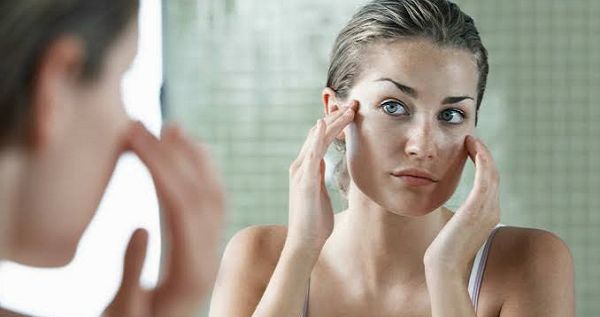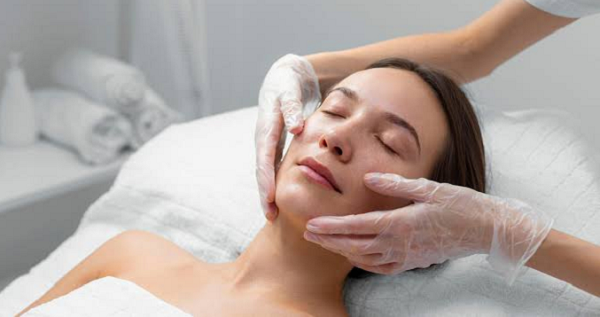
Open pores and uneven skin texture are two of the most common concerns I see in dermatology consultations, especially among people dealing with oily skin, sun exposure, or past acne breakouts. What surprises most patients is that pores don’t actually “open and close” like doors; they only appear enlarged due to oil, congestion, or loss of skin elasticity. Hydrafacial Treatment is one of the most effective non-invasive solutions for deeply cleansing pores, improving skin texture, and restoring a smoother, healthier-looking complexion.
One treatment that consistently comes up in discussions is HydraFacial for Open Pores and Uneven Skin Texture, and for good reason. It’s non-invasive, quick, and delivers visible improvement without downtime when done correctly.
Why Do Open Pores and Uneven Texture Happen?
Before jumping into treatment, it’s important to understand what’s actually going on under the skin.
1. Excess Oil Production:
Oily skin tends to stretch pores over time, making them appear larger.
2. Acne and Comedones:
Blackheads and whiteheads clog pores, giving skin a rough, uneven appearance.
3. Sun Damage:
UV exposure breaks down collagen, leading to loss of firmness around pores.
4. Aging and Loss of Elasticity:
As collagen production slows, skin texture becomes less smooth, and pores look more visible.
5. Improper Skincare:
Over-exfoliation or harsh scrubs often worsen texture rather than improve it.
What Competitor Content Usually Misses?
Most blogs on HydraFacial repeat the same surface-level benefits:
- “It cleans your skin.”
- “It hydrates your face.”
- “It reduces pores.”
But they often skip the real questions patients ask in the clinic:
- Does HydraFacial permanently shrink pores?
- How long do results actually last?
- Can it replace chemical peels or microneedling?
- Is it suitable for acne-prone skin or sensitive skin?
- What kind of results should you realistically expect after one session?
Another gap is expectation management. Many people assume one session will transform their skin, which isn’t how skin biology works.
How HydraFacial Works for Open Pores and Texture?
HydraFacial is a multi-step medical-grade facial treatment that combines cleansing, exfoliation, extraction, and hydration.
Step 1: Deep Cleansing
Removes surface dirt and oil that contribute to clogged pores.
Step 2: Gentle Exfoliation
Uses a mild acid-based solution to remove dead skin cells without harsh scrubbing.
Step 3: Vacuum Extraction
This is where it shines for open pores. The device suctions out blackheads and debris from pores.
Step 4: Hydration Infusion:
Serums rich in antioxidants and hyaluronic acid are infused into the skin, improving elasticity and smoothness.
The combination of deep cleansing and hydration is what gradually improves the appearance of uneven texture.
Realistic Results: What You Should Expect?
One thing I always tell patients is that HydraFacial is not a permanent pore-tightening procedure.
Here’s what it does well:
- Skin looks instantly cleaner and brighter
- Pores appear less visible due to the clearing of debris
- Texture feels smoother within 24–48 hours
- Makeup sits better on the skin
But for long-term improvement, consistency matters. Most dermatologists recommend a session every 3–4 weeks, depending on skin type.
HydraFacial in Islamabad: What Patients Should Know
When people search for HydraFacial in Islamabad, they often assume all clinics offer the same experience. That’s not true.
The results depend heavily on:
- Device authenticity (original HydraFacial machine vs imitation)
- Skin analysis before treatment
- Expertise of the practitioner
- Quality of the serums used
In clinical practice, I’ve seen cases where patients came after poorly done facials with irritation or no visible results. Proper assessment is key before starting any treatment plan.
Expert Insight from Dr Fazeela Abbasi:
In dermatology-focused skincare planning, I’ve observed that practitioners like Dr Fazeela Abbasi emphasize a more structured approach rather than relying on a single treatment.
For example, HydraFacial is often combined with:
- Chemical peels for deeper exfoliation
- Laser treatments for collagen stimulation
- Medical skincare routines for oil control
This layered approach is what actually improves open pores over time—not just a single session.
What stands out in her clinical philosophy is balancing results with skin health. Over-treating can sometimes damage the skin barrier, especially in sensitive or acne-prone patients.
Who Should Consider HydraFacial?
HydraFacial is suitable for:
- Oily and combination skin types
- Mild to moderate open pores
- Dull or uneven skin tone
- Early acne congestion
- People preparing for events
However, it may not be ideal for:
- Active skin infections
- Severe cystic acne (needs medical treatment first)
- Extremely sensitive or compromised skin barrier
Aftercare Tips for Better Results:
What you do after the treatment matters just as much as the procedure itself:
- Avoid heavy makeup for 24 hours
- Use a gentle cleanser only
- Apply sunscreen daily (non-negotiable)
- Skip exfoliating products for 2–3 days
- Stay hydrated to support skin recovery
Small mistakes like using active acids too soon can reduce results or irritate the skin.
FAQs:
Does HydraFacial Permanently Reduce Open Pores?
No, but it significantly improves their appearance with regular sessions and proper skincare.
How Long Do HydraFacial Results Last?
Typically 2–4 weeks, depending on skin type and lifestyle.
Is HydraFacial Painful?
Not at all. Most patients describe it as a mild suction sensation.
Can HydraFacial Help Acne-Prone Skin?
Yes, especially for clogged pores and mild acne, but severe cases need medical treatment first.
How Often Should I Get a HydraFacial?
Once every 3–4 weeks is commonly recommended for visible improvement.
Conclusion!
HydraFacial for open pores and uneven skin texture is one of those treatments that delivers noticeable short-term improvement and steady long-term benefits when done correctly. It’s not a magic fix, but it’s a reliable tool in modern dermatology when paired with proper skincare and realistic expectations.
In my experience, and through clinical approaches followed by experts like Dr Fazeela Abbasi, the best results come from consistency, not intensity. Healthy skin isn’t built in a single session; it’s maintained through a combination of smart treatments and daily care that actually respects your skin barrier.
If you’re considering HydraFacial in Islamabad, focus less on quick promises and more on proper evaluation. Your skin will always respond better when it’s understood first, treated second.