If your face starts looking shiny only a few hours after cleansing, your pores seem congested, or blackheads keep returning despite a good skincare routine, you may wonder whether a HydraFacial can actually help.
The short answer is yes: HydraFacial Treatment in Islamabad can be beneficial for oily and congested skin, but it isn’t a permanent solution for excess oil production or acne.
The treatment combines cleansing, exfoliation, suction-based extraction, and hydration. For people with oily skin, this combination can temporarily improve the appearance of clogged pores, excess surface oil, rough texture, and dullness. Clinical research has also reported improvement in the appearance of mild-to-moderate acne following a series of clarifying HydraFacial treatments, although the evidence is still limited and doesn’t make HydraFacial a replacement for medical acne treatment.
What Is a HydraFacial?
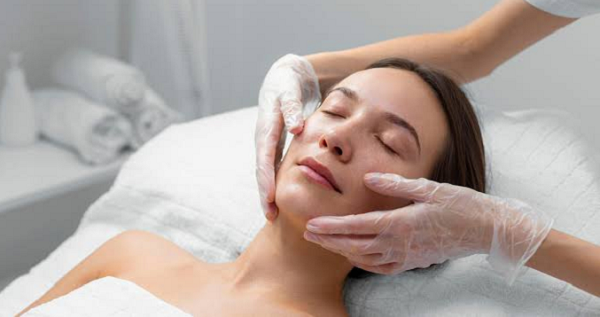
A HydraFacial is a non-invasive facial treatment designed to cleanse, exfoliate, extract, and hydrate the skin in a single session.
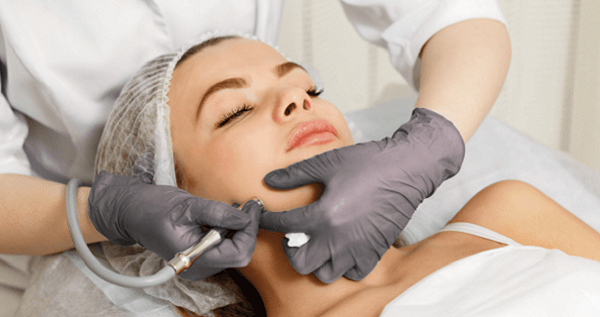
Unlike a traditional facial that may rely heavily on manual extraction or aggressive scrubbing, HydraFacial uses a specialized handpiece and fluid-based exfoliation with suction to remove surface debris and impurities.
At Dr. Fazeela Abbasi’s clinic in Islamabad, HydraFacial is offered as part of its aesthetic and dermatological treatment options, with the treatment adapted according to individual skin concerns.
For oily skin, the extraction and exfoliation stages are particularly relevant because excess sebum, dead skin cells, and debris can contribute to clogged pores.
How Does HydraFacial Work for Oily Skin?
A typical treatment involves several stages:
1. Cleanse and Exfoliate
The skin is cleansed and gently exfoliated to remove dead surface cells. This can make the skin feel smoother and help improve the appearance of dull, uneven texture.
2. Extract Pore Congestion
A controlled suction process helps loosen and remove oil, dead cells, and debris from congested pores.
This is one of the reasons oily-skin patients often notice their skin looks cleaner after treatment.
3. Hydrate the Skin
Hydrating solutions are applied to replenish moisture. This matters because oily skin still needs hydration. Excessively drying the skin can cause irritation and may actually make oil-control routines harder to tolerate. Dermatologists recommend maintaining hydration even when the skin is oily or acne-prone.
4. Apply Targeted Serums or Boosters
Depending on the protocol, treatment may be customized with ingredients or boosters aimed at concerns such as congestion, dehydration, uneven tone, or signs of aging.
The exact combination should be selected according to the patient’s skin rather than simply choosing the strongest available option.
What Are the Benefits of HydraFacial for Oily Skin?
Potential benefits include:
- Cleaner-looking pores
- Temporary reduction in visible congestion
- Smoother skin texture
- Removal of surface dead skin cells
- Fresher, brighter-looking complexion
- Improved hydration without a heavy or greasy feel
- Better makeup application
- Short or minimal downtime for most people
- A more polished appearance before an event
A small clinical study involving 20 adults with mild-to-moderate acne found improvement in acne appearance and perceived oiliness/congestion after a six-treatment series. However, the study was open-label, relatively small, and included a HydraFacial-company employee among the authors, so its results should be interpreted realistically rather than as proof that HydraFacial treats acne on its own.
Does HydraFacial Reduce Oil Production Permanently?
No.
This is one of the most important distinctions to understand.
HydraFacial can remove excess oil and congestion from the skin during treatment, making oily skin appear cleaner and less greasy. But it doesn’t permanently switch off the sebaceous glands responsible for producing sebum.
If your oiliness is related to hormones, genetics, or an underlying acne condition, you may continue producing excess sebum after the treatment.
For persistent acne or significant oiliness, a dermatologist may recommend a broader treatment plan. Evidence-based acne management can include ingredients such as salicylic acid, topical retinoids, benzoyl peroxide, or azelaic acid depending on the type and severity of acne.
Who Is a Good Candidate?
HydraFacial may be suitable if you have:
- Oily or combination skin
- Blackheads or mild congestion
- Dull-looking skin
- Rough or uneven texture
- Mild acne-prone skin
- Dehydrated but oily skin
- A desire for a quick skin refresh with minimal downtime
A consultation is particularly useful if you’re experiencing frequent breakouts because not every type of acne should be managed with a facial treatment.
Who Should Avoid or Postpone HydraFacial?
HydraFacial isn’t automatically appropriate for every skin condition.
Your dermatologist may recommend postponing treatment if you have:
- An active skin infection
- Significant inflammation or irritation
- Open wounds or compromised skin
- Severe or cystic acne
- Certain active herpes outbreaks
- Recently undergone aggressive resurfacing or another procedure
- A skin condition that makes exfoliation or suction inappropriate
The clinical study of HydraFacial for acne specifically excluded people with cystic acne, active herpes outbreaks, and several other medical conditions.
That’s why a professional skin assessment is more valuable than simply booking the strongest facial available.
HydraFacial vs. Traditional Facial for Oily Skin
| Feature | HydraFacial | Traditional Facial |
| Exfoliation | Controlled, device-assisted | Usually manual or product-based |
| Extraction | Suction-assisted | Often manual |
| Hydration | Integrated into treatment | Depends on products used |
| Customization | Can be adjusted with solutions/boosters | Depends on protocol |
| Downtime | Usually minimal | Varies |
| Best suited for | Congestion, texture, hydration and glow | General cleansing and relaxation |
The quality of the treatment still depends heavily on the practitioner, equipment, hygiene, and products used.
How Long Do HydraFacial Results Last?
The immediate effects such as smoother, cleaner and brighter-looking skin are temporary.
How long they remain noticeable depends on your skin type, oil production, skincare routine, sun exposure and lifestyle. Many clinics recommend maintenance treatments at intervals determined by the patient’s skin needs rather than assuming everyone needs the same schedule.
HydraFacial should therefore be viewed as a maintenance and skin-rejuvenation treatment, not a permanent cure for oily skin.
How Much Does HydraFacial Cost in Islamabad?
The cost of HydraFacial in Islamabad varies depending on the treatment type, clinic, products, boosters, technology, and whether the protocol is customized for acne, pigmentation, hydration, or another concern.
Rather than choosing a clinic solely because it advertises the lowest price, check what the quoted treatment actually includes. Current Islamabad listings show considerable variation between basic and customized HydraFacial options.
Aftercare: How to Maintain the Results
After HydraFacial, keep your routine simple.
- Use a gentle cleanser.
- Apply a lightweight, non-comedogenic moisturizer.
- Wear broad-spectrum SPF 30 or higher every day.
- Avoid aggressive scrubs immediately after treatment.
- Don’t pick or squeeze newly extracted areas.
- Follow the clinic’s advice about retinoids, exfoliating acids and other active products.
- Avoid unnecessary waxing or other irritating facial procedures around the treatment period.
For oily or acne-prone skin, daily sunscreen and appropriate hydration remain important even after a professional facial.
Common Mistakes People Make
Using HydraFacial Instead of Treating Acne
A facial may improve congestion, but persistent inflammatory or cystic acne requires proper diagnosis and treatment.
Assuming More Extraction Means Better Results
Aggressive extraction isn’t automatically better. Excessive manipulation can irritate the skin.
Over-Exfoliating at Home
Some people try to maintain the post-facial smoothness by immediately adding scrubs, acids and multiple active products. This can damage the skin barrier and trigger irritation.
Choosing a Treatment Without a Skin Assessment
Oily skin isn’t one-size-fits-all. Someone with oily, dehydrated skin needs a different approach from someone with active inflammatory acne.
Is HydraFacial Worth It for Oily Skin?
For the right person, yes.
If your main concerns are oily-looking skin, congestion, blackheads, dullness and uneven texture, HydraFacial can provide a noticeable short-term improvement while keeping the procedure relatively gentle.
But expectations matter. It won’t permanently stop oil production, erase deep acne scars in one session, or replace dermatologist-directed acne treatment.
For anyone considering HydraFacial in Islamabad, Dr. Fazeela Abbasi’s dermatology-led approach is worth considering when you want the treatment evaluated in the context of your overall skin condition rather than as a standalone beauty procedure. Her clinic offers HydraFacial and other dermatological and aesthetic treatments in Islamabad.
Frequently Asked Questions
Does HydraFacial Work for Very Oily Skin?
It can help remove surface oil, dead skin cells, and pore congestion, making oily skin look cleaner and smoother. However, it doesn’t permanently reduce sebum production.
Is HydraFacial Safe for Acne-Prone Skin?
It can be appropriate for some people with mild acne or congestion. However, active, severe or cystic acne may require medical treatment instead. A dermatologist should assess the condition before treatment.
Is HydraFacial Painful?
Most people describe it as comfortable. You may experience mild suction, tingling or temporary sensitivity, depending on the products and settings used.
How Often Should I Get a HydraFacial?
There isn’t one schedule that works for everyone. Frequency should depend on your skin type, concerns, and response to treatment. Your dermatologist can recommend an appropriate maintenance plan.
Can HydraFacial Permanently Remove Blackheads?
No. It can help remove existing pore debris and improve the appearance of congestion, but blackheads can return because sebum and dead skin continue to accumulate.
Can HydraFacial Make Oily Skin Worse?
Usually, the goal is to improve congestion without unnecessarily stripping the skin. However, overly aggressive exfoliation or unsuitable products can cause irritation. That’s why treatment intensity and product selection matter.
What Should I Expect Immediately After HydraFacial?
Your skin may look brighter, smoother, and more hydrated. Some people experience mild temporary redness or sensitivity, but significant downtime isn’t typical.
Is HydraFacial Better than Acne Medication?
Not necessarily. They serve different purposes. HydraFacial may help with surface congestion and appearance, while dermatologist-prescribed acne treatments address the underlying mechanisms of acne. For persistent acne, medical treatment should not be replaced with facials.
Final Thoughts1
So, HydraFacial for Oily Skin: Does It Really Work? Yes, it can, but its benefits depend on your skin condition and what you want to achieve.
For excess surface oil, clogged pores, blackheads, rough texture, and a quick improvement in skin appearance, HydraFacial can be a useful treatment. However, it should not be considered a permanent solution for excessive oil production or a cure for every type of acne.
According to the approach followed by skin specialists such as Dr. Fazeela Abbasi, effective skincare should be based on an individual’s specific skin concerns rather than a one-size-fits-all treatment. A HydraFacial can be customized according to your skin’s needs, making professional assessment an important part of achieving better results.
If you’re considering the Best HydraFacial Treatment in Islamabad, focus on professional assessment, appropriate treatment customization, proper hygiene, realistic expectations, and a long-term skincare plan rather than marketing claims alone.