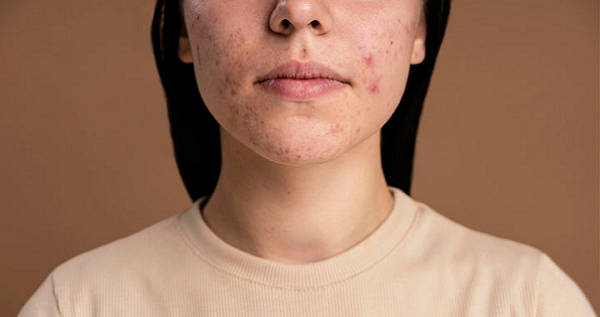
If your skin looks dull, uneven, or darker in certain areas, you may have searched for ways to make your complexion “brighter.” But there’s an important distinction between brightening the skin and trying to change your natural skin color.
A qualified Dermatologist in Islamabad can help identify the underlying cause of pigmentation and recommend treatments based on your skin type and concerns. In dermatology, the goal is usually to reduce unwanted pigmentation, improve uneven tone, treat skin conditions, and restore a healthier-looking complexion. This is particularly important for people with brown or darker skin, because aggressive treatments can sometimes cause irritation and trigger even more pigmentation.
So, what are the Dark Skin to Bright Skin Treatment Options in Dermatology, and which treatments are actually worth considering?
Why Does Dark Skin Develop Uneven Pigmentation?
Melanin is the natural pigment responsible for skin color. Darker skin contains more melanin, which provides some natural protection from UV radiation but can also make pigmentation following inflammation more noticeable.
Common reasons for an uneven or darker complexion include:
- Acne and acne scars
- Melasma
- Sun exposure
- Post-inflammatory hyperpigmentation
- Hormonal changes
- Skin irritation
- Burns, cuts, or other injuries
- Certain medications
- Underlying skin conditions
The first step shouldn’t be choosing a laser or peel. A dermatologist should determine why the pigmentation is occurring before recommending treatment.
For example, if active acne continues to cause inflammation, treating existing dark spots without controlling the acne may only provide temporary improvement.
What Does Skin Brightening Mean in Dermatology?
Professional skin brightening generally means improving the appearance of:
- Uneven pigmentation
- Dark spots
- Melasma
- Sun damage
- Post-acne marks
- Dullness
- Uneven texture
It doesn’t necessarily mean permanently making naturally dark skin several shades lighter.
A realistic treatment goal is healthier-looking, more even skin rather than an artificial change in your natural complexion.
Dark Skin to Bright Skin Treatment Options
There isn’t one treatment that’s best for everyone. Dermatologists consider the cause, depth, location, severity of pigmentation, skin type, previous treatments, and the patient’s risk of developing post-inflammatory hyperpigmentation.
1. Prescription and Medical-Grade Creams
Topical treatments are often the starting point for pigmentation problems.
Depending on the diagnosis, a dermatologist may recommend ingredients such as:
- Hydroquinone
- Retinoids
- Azelaic acid
- Kojic acid
- Vitamin C
- Other pigment-modulating ingredients
Some prescription combinations are specifically designed to address pigmentation through different mechanisms.
However, stronger doesn’t always mean better. Using too many active ingredients can irritate the skin and potentially worsen pigmentation.
This is particularly important for darker skin, where inflammation can leave behind persistent dark marks.
2. Chemical Peels
Chemical peels use controlled exfoliation to remove damaged surface skin and encourage the development of healthier-looking skin.
Depending on the patient’s condition, a dermatologist may consider superficial peels containing ingredients such as:
- Glycolic acid
- Lactic acid
- Salicylic acid
- Other professionally selected peeling agents
Chemical peels can help with superficial pigmentation, acne-related discoloration, and certain texture concerns.
However, darker skin requires careful treatment selection. Strong or poorly performed peels can cause burns, irritation, post-inflammatory hyperpigmentation, or uneven lightening.
A series of carefully controlled treatments may be safer and more effective than trying to achieve dramatic results in a single session.
3. Microneedling
Microneedling uses very fine needles to create controlled microscopic injuries in the skin. This stimulates the skin’s natural repair process and collagen production.
It may be considered when pigmentation occurs alongside:
- Acne scars
- Uneven texture
- Enlarged-looking pores
- Mild skin laxity
Microneedling isn’t simply about creating as much trauma as possible. Technique, needle depth, skin preparation, and aftercare all matter.
Excessive inflammation can potentially worsen pigmentation, particularly in darker skin tones.
4. Laser and Light-Based Treatments
Laser treatments can be useful for selected pigmentation concerns, but they’re not suitable for every patient.
This is one area where the experience of a qualified Dermatologist Specialist in Islamabad can make an important difference.
The wrong laser, excessive energy, inappropriate settings, or inadequate aftercare can increase the risk of pigmentation changes.
Technologies such as the PICO laser may be considered for certain pigmentation and skin rejuvenation concerns. Dr Fazeela Abbasi is one example of a dermatologist in Islamabad who offers laser-based aesthetic treatments.
The important point is that the machine alone doesn’t determine the outcome. Proper diagnosis, treatment settings, practitioner experience, and aftercare are equally important.
Which Treatment Is Best for Brighter, More Even Skin?
There isn’t a single “best” treatment.
| Treatment | Common Use | Main Benefit | Important Consideration |
| Topical treatments | Melasma, dark spots, pigmentation | Non-invasive | Requires consistency |
| Chemical peels | Pigmentation and texture | Controlled exfoliation | Irritation can worsen pigmentation |
| Microneedling | Texture and selected pigmentation | Supports collagen production | Requires careful technique |
| Laser treatments | Selected pigmentation concerns | Can target specific pigment | Higher risk if poorly selected |
| Sunscreen | Prevention and maintenance | Protects against pigmentation | Must be used consistently |
In many cases, dermatologists use a combination approach rather than relying on one procedure.
Who Is a Good Candidate?
Professional treatment may be appropriate if you have:
- Persistent facial pigmentation
- Melasma
- Post-acne dark marks
- Sun-induced pigmentation
- Uneven skin tone
- Dullness that hasn’t improved with appropriate skincare
- Pigmentation combined with texture concerns
People with recurring pigmentation can particularly benefit from professional assessment because simply treating the visible dark spots may not address the underlying cause.
Who Should Avoid DIY Skin-Lightening Treatments?
Be cautious with products or procedures that promise dramatic skin lightening in a very short period.
Avoid experimenting with:
- Unsupervised high-strength acids
- Unregulated bleaching creams
- Strong prescription products without medical supervision
- Aggressive home chemical peels
- Excessive exfoliation
- Repeated laser treatments without proper assessment
If a product causes persistent burning, redness, or peeling, don’t assume that it means the treatment is working.
Skin irritation can trigger inflammation, which may result in more pigmentation.
Sunscreen Is Part of the Treatment
One of the biggest mistakes people make is investing in pigmentation treatment while ignoring sun protection.
UV exposure can worsen many pigmentation disorders and make treatment results harder to maintain.
A dermatologist may recommend:
- Broad-spectrum SPF 30 or higher
- Regular sunscreen reapplication
- Hats and physical shade when outdoors
- Gentle skincare
- Avoiding unnecessary skin irritation
- Tinted sunscreen when appropriate, particularly for pigmentation-prone skin
For people dealing with melasma or hyperpigmentation, sunscreen isn’t simply a cosmetic product. It’s part of the overall treatment strategy.
What Should You Expect Before and After Treatment?
A professional consultation should assess:
- Your skin type
- The cause of pigmentation
- The pattern and depth of discoloration
- Previous skincare and procedures
- Your history of irritation or pigmentation
- Your expected downtime
- The most appropriate treatment combination
- A maintenance plan
Don’t expect most pigmentation treatments to transform your skin overnight.
Some patients notice improvement within several weeks, while others require months of consistent treatment. Conditions such as melasma can be particularly persistent and may require long-term maintenance.
How Much Does Skin Brightening Treatment Cost in Islamabad?
There isn’t one standard price for skin brightening treatment.
The cost depends on factors such as:
- The underlying condition
- Treatment type
- Number of sessions
- Technology used
- Size of the treatment area
- Dermatologist’s experience
- Prescription skincare requirements
- Follow-up appointments
When comparing a Best Dermatologist in Islamabad, don’t choose a clinic based only on the lowest advertised price.
Ask:
- Who will perform the procedure?
- Is the treatment appropriate for my skin type?
- What results are realistic?
- How many sessions might I need?
- What are the potential side effects?
- What happens if pigmentation becomes darker?
- What aftercare will I need?
A cheaper treatment isn’t necessarily better if it results in prolonged irritation or additional pigmentation.
Common Mistakes People Make
Treating the pigmentation but not the cause
If acne or inflammation continues, new pigmentation can keep appearing.
Using too many skincare products
Combining several acids, retinoids, scrubs, and brightening products can damage the skin barrier.
Expecting one laser session to solve everything
Pigmentation can be complicated and may require multiple sessions or combination treatment.
Ignoring maintenance
Some pigmentation conditions can return even after successful treatment. Sun protection and appropriate skincare remain important after procedures.
Choosing treatment based on social media trends
A procedure that works well for one person may not be appropriate for another, especially when skin type and pigmentation patterns are different.
Expert Recommendation for Darker Skin
For darker skin, the safest approach is generally controlled improvement rather than aggressive correction.
An experienced dermatologist should be able to explain not only what treatment might help but also when a particular procedure isn’t appropriate.
This is particularly important with lasers and chemical peels, where incorrect treatment settings or excessive intensity can cause unwanted pigmentation.
Dr Fazeela Abbasi is an example of a dermatology specialist in Islamabad offering medical and aesthetic dermatology treatments, including procedures aimed at pigmentation and skin rejuvenation.
Ultimately, the most important factor isn’t simply choosing the newest technology. It’s choosing a qualified professional who understands pigmentation, darker skin types, treatment risks, and long-term skin health.
Frequently Asked Questions
How Does Skin Brightening Treatment Work?
It depends on the cause of pigmentation. Topical treatments can help regulate excess pigment, chemical peels remove superficial layers of pigmented skin, while selected laser treatments can target specific pigmentation. Sun protection helps prevent further darkening.
Is Skin Brightening Safe for Dark Skin?
It can be safe when the treatment is properly selected and performed by a qualified professional. Darker skin can be more prone to post-inflammatory hyperpigmentation, so overly aggressive procedures should be avoided.
How Long Do Skin Brightening Results Last?
Results vary. Some pigmentation may gradually return if the underlying trigger continues. Melasma, for example, can be recurrent. Consistent sunscreen use and maintenance skincare can help preserve improvement.
Is Laser Better than a Chemical Peel?
Not necessarily. The right treatment depends on your diagnosis and skin type. A chemical peel may be appropriate for one person, while another may benefit from topical therapy or a carefully selected laser treatment.
How Many Sessions Will I Need?
There is no fixed number. The number of sessions depends on the type of pigmentation, treatment selected, severity, and how your skin responds.
Can I Permanently Change My Natural Skin Color?
Dermatological treatment generally focuses on treating unwanted pigmentation and creating a more even complexion rather than permanently changing your genetically determined skin color.
Be especially cautious about products promising dramatic or permanent whitening.
What Should I Expect after Treatment?
Depending on the procedure, you may experience temporary redness, sensitivity, dryness, peeling, or mild swelling. Your dermatologist should explain expected side effects and provide specific aftercare instructions.
Final Thoughts
The best Dark Skin to Bright Skin Treatment Options in Dermatology aren’t necessarily the strongest treatments. They’re the treatments that address the underlying problem while respecting your natural skin type.
For darker skin, precision matters. A good treatment plan may involve prescription skincare, sunscreen, chemical peels, microneedling, laser treatment, or a combination of these approaches.
The goal should be healthier, clearer, more even-looking skin, not unrealistic overnight whitening.
If your pigmentation is persistent, worsening, or repeatedly returning, consulting Dr. Fazeela Abbasi, a qualified dermatologist, can help you understand the underlying cause and suitable treatment options. A professional assessment can also help you understand potential risks, expected costs, and realistic results before choosing a treatment.