If your skin looks fresh and hydrated immediately after a HydraFacial, you may wonder how often you should repeat the treatment to maintain those results. How Often Should You Get a HydraFacial for Best Results? There isn’t one schedule that works for everyone. Your skin type, concerns, lifestyle, skincare routine, and the intensity of the treatment all influence how frequently it should be performed.
For many people, a HydraFacial Treatment every 4 to 6 weeks is a practical maintenance schedule. However, some people may need treatments less frequently, while others with specific concerns may benefit from a customized plan under professional supervision.
What Is a HydraFacial?
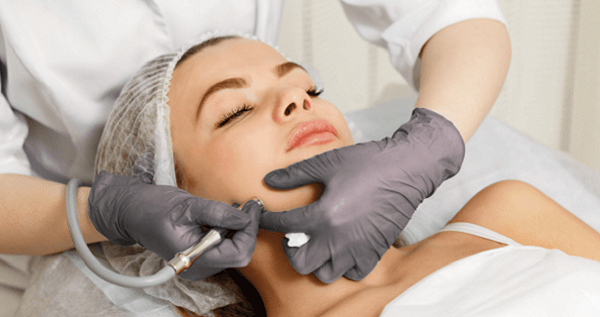
A HydraFacial is a non-invasive facial treatment designed to combine several skincare steps in one session. Depending on the protocol used, it may include cleansing, exfoliation, gentle extraction, and hydration through specially selected serums.
Unlike a conventional facial that may rely heavily on manual extraction or physical scrubbing, HydraFacial uses a specialized device to cleanse and exfoliate the skin while helping remove superficial impurities.
The treatment is often chosen by people concerned about:
- Dull or tired-looking skin
- Dehydration
- Congested pores
- Blackheads
- Uneven skin texture
- Mild surface roughness
- Lack of radiance
It can provide a smoother, fresher appearance after one session, but the results are not permanent. Regular skincare and appropriately spaced maintenance treatments are important for keeping the improvement visible.
How Often Should You Get a HydraFacial?
For general skin maintenance, every 4 to 6 weeks is a commonly used interval. This gives the skin time to recover while allowing you to maintain the hydration, smoothness, and refreshed appearance associated with the treatment.
A monthly appointment may be suitable if your main goal is ongoing maintenance rather than treating a specific dermatological condition.
However, the right schedule should be personalized. For example, someone with dry or sensitive skin may not need treatment as frequently as someone who regularly develops congestion or excessive oiliness.
Rather than automatically booking every month, pay attention to how your skin responds after each session and discuss the appropriate interval with a qualified professional.
HydraFacial Frequency Based on Skin Type
Your skin’s behavior can influence the most appropriate treatment schedule.
Oily or Congested Skin
People with oily or congestion-prone skin may notice clogged pores returning sooner. A professional may therefore recommend a somewhat more frequent schedule during an initial treatment phase, followed by less frequent maintenance.
This doesn’t mean that more frequent treatments are automatically better. Excessive exfoliation can irritate the skin and interfere with its barrier.
Dry or Dehydrated Skin
If your primary concern is dryness or dehydration, treatments may be spaced farther apart depending on how your skin responds.
A consistent home routine using a gentle cleanser, moisturizer, and broad-spectrum sunscreen remains important between professional treatments.
Sensitive or Reactive Skin
Sensitive skin requires more careful planning. Treatment intensity, exfoliation products and extraction should be considered before establishing a routine.
If your skin is irritated, sunburned or experiencing an active flare of a dermatological condition, postponing treatment may be more appropriate than following a fixed calendar.
What Happens During a HydraFacial?
Although the exact protocol can vary, a typical treatment may involve several stages:
- Cleansing: Surface oil, makeup, and impurities are removed.
- Exfoliation: Dead surface cells are gently loosened.
- Extraction: Suction helps remove superficial congestion from pores.
- Hydration: Skin is treated with hydrating or targeted serums.
- Finishing care: Moisturizer and sun protection may be applied.
The treatment is generally designed to be comfortable, with little to no downtime for many patients. Temporary redness, tightness, or sensitivity can still occur in some individuals, particularly depending on the products and treatment intensity.
How Long Do HydraFacial Results Last?
The visible effects of a HydraFacial can vary from person to person. Many people notice smoother, more hydrated, and brighter-looking skin immediately after treatment.
The effect gradually fades as normal oil production, environmental exposure, and the accumulation of surface debris continue. Some local providers report visible benefits lasting several weeks, which is one reason a 4-to-6-week maintenance interval is commonly suggested.
It’s important to understand that HydraFacial is a maintenance treatment, not a permanent solution for every skin concern.
Can You Get a HydraFacial Too Often?
More treatments don’t necessarily mean better skin.
HydraFacial is customizable, but repeated exfoliation or aggressive treatment without adequate recovery can contribute to irritation, dryness or sensitivity. The appropriate interval depends partly on what was performed during the previous session and how your skin reacted.
If you’re considering frequent HydraFacials, a dermatologist or qualified skincare professional should assess whether your skin actually needs that frequency.
Who Is a Good Candidate?
HydraFacial may be appropriate for people looking for a non-invasive way to improve the appearance of:
- Dullness
- Mild congestion
- Dehydration
- Rough texture
- Enlarged-looking pores
- General lack of radiance
However, suitability should be determined individually. If you have an active inflammatory skin condition, significant irritation, severe acne, or another untreated dermatological problem, the priority may be proper diagnosis and treatment rather than simply adding a facial to your routine.
For patients considering Hydrafacial in Islamabad, Dr. Fazeela Abbasi can assess the skin’s condition, concerns, and treatment goals before recommending whether HydraFacial is appropriate and how it should be incorporated into an overall skincare plan.
What Should You Do After a HydraFacial?
Your post-treatment routine can influence how comfortable your skin feels and how long the refreshed appearance lasts.
After treatment:
- Use a gentle cleanser.
- Keep the skin adequately moisturized.
- Apply broad-spectrum sunscreen every day.
- Avoid unnecessary picking or rubbing.
- Follow any product restrictions provided by your skincare professional.
- Avoid immediately combining the treatment with aggressive exfoliation unless specifically advised.
Sun protection is particularly important because ongoing UV exposure can contribute to pigmentation, premature skin aging, and uneven skin tone.
Common HydraFacial Mistakes to Avoid
Booking Treatments Too Frequently
A weekly appointment isn’t automatically necessary simply because the treatment has little downtime. Your skin still needs an appropriately planned treatment interval.
Expecting Permanent Results
HydraFacial can improve the appearance of the skin, but it doesn’t permanently stop oil production, aging, pigmentation, or pore congestion.
Ignoring Your Home Skincare Routine
Professional treatments work alongside, not instead of, a consistent home routine. Cleansing, moisturizing, and daily sunscreen remain fundamental.
Choosing a Treatment Without Skin Assessment
A standard protocol may not be appropriate for every person. The products, exfoliation level, and extraction approach may need to be adjusted according to skin condition.
How Much Does HydraFacial Cost?
The cost of HydraFacial in Islamabad varies between clinics and treatment protocols. Factors can include the type of HydraFacial, duration, serums or boosters used, additional technologies, and the expertise of the provider.
Rather than choosing solely according to price, ask what is included in the session and whether the treatment is being customized for your skin.
Frequently Asked Questions
How Often Should You Get a HydraFacial for Best Results?
For many people, every 4 to 6 weeks is a reasonable maintenance interval. Your provider may recommend a different schedule based on your skin type, concerns, and response to treatment.
Is HydraFacial Safe?
HydraFacial is generally considered a gentle, non-invasive cosmetic treatment, but suitability depends on your individual skin condition. A professional assessment is particularly important if your skin is highly sensitive or currently irritated.
How Long Does a HydraFacial Take?
Treatment time varies according to the protocol and any additional steps. Many sessions take approximately 30 to 60 minutes.
Can I Get a HydraFacial Before an Important Event?
Yes, many people choose HydraFacial for a temporary refreshed appearance before events. However, it’s sensible to avoid scheduling an unfamiliar treatment immediately before a major occasion. Giving your skin several days to settle provides a safety margin in case temporary redness or sensitivity occurs.
Is HydraFacial Worth It?
That depends on your goals. If you want temporary improvements in hydration, smoothness, radiance, and superficial congestion without significant downtime, it may be a useful addition to your skincare routine. It shouldn’t be viewed as a replacement for medical treatment when a specific skin condition requires diagnosis and targeted care.
Can HydraFacial Permanently Remove Acne or Pigmentation?
No. HydraFacial may improve the appearance of congestion and dullness, but persistent acne, significant pigmentation, scarring, or other dermatological conditions may require a different or additional treatment plan.
Final Thoughts
The best HydraFacial schedule isn’t necessarily the most frequent one. For many people, every 4 to 6 weeks provides a practical balance for maintaining hydration, smoothness, and a refreshed appearance. Others may benefit from a different interval depending on their skin type, sensitivity, concerns, and response to previous treatments.
If you’re considering HydraFacial Treatment in Islamabad, start with a professional skin assessment rather than following a fixed schedule found online. Dr. Fazeela Abbasi can help determine whether HydraFacial suits your individual needs and how it can fit safely into your broader skincare routine.
Consistent home skincare, sun protection and realistic expectations are just as important as the treatment itself. The goal should be healthier-looking, well-maintained skin—not simply having treatments as often as possible.