If you regularly shave or wax and keep dealing with painful, red, or irritating bumps, you may be wondering: Can Laser Hair Removal Help with Ingrown Hairs?
The answer is yes. Laser Hair Removal can help reduce recurrent ingrown hairs by reducing the amount of hair that grows back. Since ingrown hairs are often caused by shaving, waxing, or hair curling back into the skin, reducing hair growth can help prevent the problem from coming back as frequently.
However, laser hair removal isn’t an instant treatment for an existing ingrown hair. It’s better understood as a long-term approach to reducing unwanted hair and the irritation associated with repeated hair removal.
What Causes Ingrown Hairs?
An ingrown hair occurs when a hair grows back into the skin instead of growing outward normally. This can cause:
- Small red or dark bumps
- Itching and irritation
- Swelling or tenderness
- Pus-filled spots in some cases
- Dark marks after the inflammation heals
People with coarse, curly, or thick hair may be more prone to ingrown hairs. Frequent shaving and waxing can also increase the likelihood of developing them.
How Does Laser Hair Removal Help?
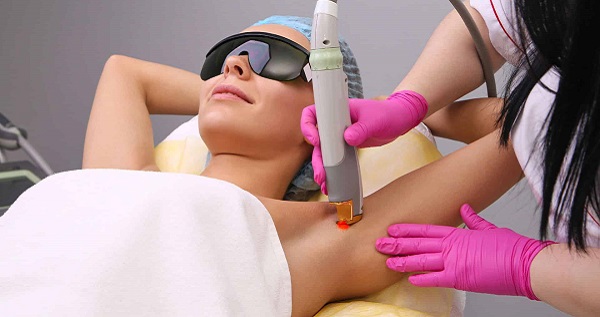
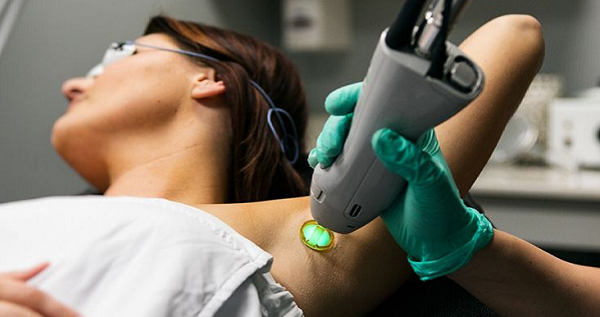
Laser hair removal targets the pigment in the hair follicle using controlled pulses of light. The energy is converted into heat, which damages the follicle and gradually reduces its ability to produce hair.
As treatment progresses, hair usually becomes:
- Finer
- Lighter or less noticeable
- Slower to grow
- Less dense
With less hair available to curl back into the skin, many people experience fewer ingrown hairs over time.
This is one reason laser hair removal can be particularly useful for people who constantly experience razor bumps after shaving their face, neck, underarms, legs, or bikini area.
Can Laser Remove an Existing Ingrown Hair?
Laser hair removal isn’t designed to immediately remove an individual trapped hair.
If you already have a painful, swollen, or infected ingrown hair, it’s better to avoid squeezing, scratching, or digging into the skin. Depending on the condition, a dermatologist may recommend appropriate treatment first.
Once the active irritation has settled, laser hair removal may be considered as a longer-term way to reduce future hair growth and recurring ingrown hairs.
Benefits of Laser Hair Removal for Ingrown Hairs
For people who regularly struggle with ingrown hairs, laser hair removal may offer several benefits:
- Reduces unwanted hair growth
- Can decrease the frequency of ingrown hairs
- Helps reduce shaving-related irritation
- May improve the appearance of razor bumps
- Reduces the need for frequent shaving or waxing
- Can leave the skin looking smoother over time
- May help reduce the cycle of repeated irritation and picking
The results aren’t identical for everyone. Hair color, skin tone, hair thickness, hormones, and the treatment area can all influence the outcome.
Who Is a Good Candidate?
Laser hair removal may be a good option if you frequently experience ingrown hairs after shaving or waxing and want a longer-term hair reduction solution.
People with darker, coarse hair often respond particularly well because the laser can target the pigment in the hair follicle.
If you’re considering Laser Hair Removal in Islamabad, it’s important to have your skin and hair assessed by an experienced professional before treatment. The appropriate laser and settings should be selected according to your individual skin tone and hair characteristics.
Is Laser Hair Removal Safe for Darker Skin?
Yes, laser hair removal can be performed on darker skin, but extra care is important.
Because laser energy interacts with pigment, using inappropriate settings can increase the risk of burns or temporary or permanent changes in skin pigmentation.
A qualified dermatologist or experienced laser professional should assess your skin type and choose suitable equipment and settings. If you have a history of pigmentation problems, make sure you mention this during your consultation.
How Many Sessions Are Needed?
Laser hair removal usually requires multiple sessions because hair grows in different cycles, and the laser is most effective when hairs are in the appropriate growth phase.
The exact number of sessions varies from person to person. Many people require several treatments spaced weeks apart before seeing significant hair reduction.
After completing the initial treatment course, occasional maintenance sessions may also be needed.
What Results Can You Expect?
You shouldn’t expect every ingrown hair to disappear after one treatment.
Instead, the improvement generally happens gradually. With repeated sessions, you may notice that hair grows more slowly and becomes finer and less dense. As hair growth decreases, recurrent ingrown hairs may also become less frequent.
Results can vary depending on:
- Hair thickness and color
- Skin tone
- Hormonal factors
- Treatment area
- Laser technology
- Treatment settings
- Number of sessions
Laser hair removal provides long-term hair reduction rather than a guarantee of permanent hair removal.
Aftercare Tips
Proper aftercare can help reduce irritation and protect the treated skin.
After treatment:
- Avoid excessive sun exposure.
- Use sunscreen as recommended by your provider.
- Avoid waxing or plucking between laser sessions.
- Don’t pick or squeeze irritated areas.
- Avoid harsh scrubs immediately after treatment.
- Follow the skincare and aftercare instructions provided by your professional.
If you notice severe pain, blistering, significant swelling, or unusual changes in skin color, contact your treatment provider.
Common Mistakes to Avoid
One of the biggest mistakes is choosing a laser treatment based only on price.
Before starting treatment, consider:
- The experience and qualifications of the provider
- Whether the clinic regularly treats your skin type
- The type of laser being used
- Whether your skin will be properly assessed
- The expected number of sessions
- The clinic’s safety and aftercare practices
It’s also important not to expect laser hair removal to provide completely hair-free skin after one session.
Is Laser Hair Removal Worth It for Ingrown Hairs?
If you regularly spend time shaving, waxing, treating razor bumps, and dealing with painful ingrown hairs, laser hair removal may be worth considering.
Its main advantage is that it addresses one of the underlying causes of recurrent ingrown hairs: unwanted hair regrowth.
For anyone considering Laser Hair Removal in Islamabad, a consultation with an experienced dermatologist can help determine whether laser treatment is suitable for your skin type, hair type, and specific concerns. Clinics and dermatologists such as Dr Fazeela Abbasi can assess the condition of your skin and recommend an appropriate treatment plan based on individual needs.
Frequently Asked Questions
Can Laser Hair Removal Permanently Prevent Ingrown Hairs?
Laser hair removal can significantly reduce hair growth and may greatly reduce recurring ingrown hairs, but it cannot guarantee that you’ll never experience another ingrown hair.
How Long Does it Take to See Results?
Some people notice reduced hair growth after the first few treatments, but noticeable results usually develop gradually over a complete treatment course.
Can Men Use Laser Hair Removal for Beard Ingrown Hairs?
Yes. Laser hair removal can be particularly helpful for men who experience frequent razor bumps and ingrown hairs around the beard and neck area.
Does Laser Hair Removal Hurt?
Most people describe the sensation as brief warmth, snapping, or a mild stinging feeling. Comfort varies depending on the treatment area and individual sensitivity.
How Much Does Laser Hair Removal Cost in Islamabad?
The cost varies depending on the treatment area, hair density, laser technology, and number of sessions required. Smaller areas generally cost less than larger areas or full-body treatments.
Can I Shave Between Laser Sessions?
In most cases, shaving is preferred between sessions, while waxing and plucking are avoided because they remove the hair from the follicle that the laser needs to target.
Conclusion
Laser hair removal can be a useful long-term option for people who regularly suffer from ingrown hairs, particularly when shaving or waxing is the main trigger. By reducing hair growth, laser treatment can help reduce the cycle of shaving, irritation, and recurring ingrown hairs.
However, results depend on your skin type, hair characteristics, treatment plan, and the experience of the professional performing the procedure. If you’re considering laser hair removal for ingrown hairs, consulting an experienced dermatologist such as Dr Fazeela Abbasi can help you understand whether the treatment is suitable for your skin and hair type and what kind of results you can realistically expect.