Why Your Skin Deserves a Real Routine (Not Just a Random One)?
Let’s be honest, most of us have tried some version of a skin care routine at some point. Maybe you picked up a serum after a late-night scroll, or stacked three moisturizers because a beauty blogger swore by it without ever asking a Dermatologist if any of it was actually right for your skin. We’ve all been there.
But here’s the thing: following a Healthy Skin Care Routine with Dermatologist-Recommended Treatments isn’t just about using good products. It’s about using the right products in the right order, ideally with some guidance from someone who actually studied skin for years.
What Dermatologists Actually Look For in a Skin Care Routine?
When I first sat down with a dermatologist to review what I was doing for my skin, I was surprised by how much I had wrong. Not dramatically wrong but subtly wrong in ways that were costing me results.
A dermatologist doesn’t just prescribe products. They assess your skin type, identify underlying issues such as post-inflammatory hyperpigmentation, compromised barrier function, or early signs of aging, and then map out a protocol that addresses what’s going on beneath the surface.
Dr Fazeela Abbasi, one of the most respected dermatologists in Islamabad, emphasizes that a routine should be built around your skin’s needs, not around what’s trending. Her approach focuses on evidence-based ingredients combined with clinical treatments, which is exactly the kind of thinking more of us need to hear.
The Core Framework: Morning vs Night
Morning Routine (Protect and Prep):
Your morning routine is about protection first, treatment second.
Step 1: Gentle Cleanser Start with a mild, pH-balanced cleanser. Avoid anything foamy or stripping, especially if you’re in a dry or polluted environment like many parts of Pakistan, where dust and pollution take a toll on the skin barrier.
Step 2: Vitamin C Serum. This is a non-negotiable for most skin types. A well-formulated L-ascorbic acid serum at 10–20% concentration fights free-radical damage, brightens uneven skin tone, and supports collagen production. Apply it to clean, slightly damp skin for better absorption.
Step 3: Moisturizer. Don’t skip this even if your skin feels oily. Dehydrated skin overproduces oil as a compensatory mechanism. Look for ingredients like hyaluronic acid, ceramides, or niacinamide.
Step 4: SPF 30–50 Broad Spectrum Sunscreen is the single most important anti-aging and anti-pigmentation product available. Full stop. If you’re seeing a dermatologist in Islamabad, they’ll almost certainly stress that this UV exposure at Pakistan’s latitude is significant year-round.
Night Routine (Repair and Renew):
Skin repair happens at night. This is when you use your activities.
Step 1: Double Cleanse (if you wore SPF or makeup) Oil cleanser first, then a gentle water-based cleanser. This ensures you’re not going to bed with sunscreen or pollution residue on your face.
Step 2: Treatment Serum or Active. This is where ingredients like retinoids, AHAs such as glycolic or lactic acid, or prescription treatments come in. Don’t use all of them at once. Rotation and patience are key. A dermatologist should be guiding which active ingredient is right for your concerns.
Step 3: Moisturizer or Barrier Repair Cream. At night, you can go heavier. Ingredients like squalane, shea butter, or a ceramide-rich cream help lock in the repair process.
Dermatologist-Recommended Treatments Worth Knowing About:
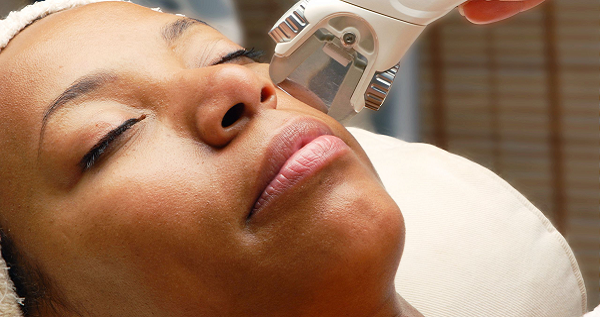
Chemical Peels Superficial peels using glycolic or salicylic acid help with texture, acne, and pigmentation. Medium-depth peels address more stubborn concerns. These should always be done professionally, not DIY.
Retinoids (Prescription-Strength) Over-the-counter retinol is helpful, but prescription tretinoin is in a different league. It’s the gold standard for anti-aging, acne, and hyperpigmentation. Start low, go slow.
Laser Treatments Fractional lasers, Q-switched Nd: YAG, and intense pulsed light are used for everything from pigmentation to scarring. Dr Fazeela Abbasi offers several of these at her clinic, and what stands out is the emphasis on customizing laser parameters to suit South Asian skin tones, which are far more prone to post-inflammatory hyperpigmentation if treatments aren’t calibrated carefully.
Hydrafacial: A gentler option for brightening and hydration. Great as a monthly maintenance treatment for most skin types.
PRP (Platelet-Rich Plasma) is increasingly used for hair loss and skin rejuvenation. Uses your own blood’s growth factors; results are gradual but genuine.
Common Mistakes That Dermatologists See All the Time
Over-exfoliating: Using scrubs daily or layering acids is a fast track to a damaged skin barrier.
Skipping SPF indoors: UVA rays penetrate glass. If you’re near a window, you need sun protection.
Mixing incompatible actives: Vitamin C and niacinamide can sometimes cause flushing. Retinol and AHAs used together can cause serious irritation.
Expecting overnight results: Clinical treatments take 8–12 weeks minimum to show measurable changes.
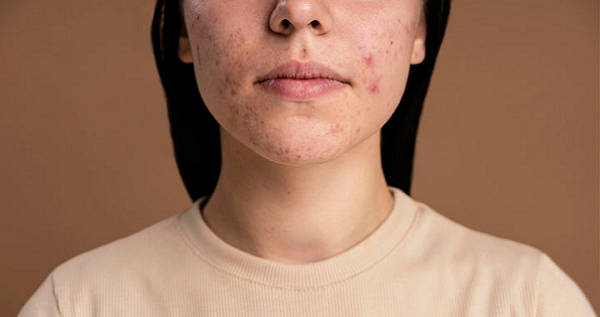
Self-diagnosing: What looks like acne might be rosacea or fungal acne. Treatment varies wildly.
How to Find the Right Dermatologist?
If you’re based in Pakistan, finding a qualified dermatologist in Islamabad isn’t as difficult as it used to be. But credentials still matter.
Look for someone who has FCPS Dermatology or equivalent board certification, uses FDA-approved or clinically validated treatments, takes time to assess your skin rather than pushing a generic protocol, and has experience treating diverse South Asian skin tones.
Dr Fazeela Abbasi ticks these boxes and is particularly known for a science-backed, patient-centered approach. Whether you’re dealing with melasma, acne scarring, or just want to get ahead of aging, a consultation with someone of that caliber is genuinely worth it.
FAQ’s:
How Many Steps Should a Basic Skin Care Routine Have?
Four steps are enough: cleanser, moisturizer, SPF in the morning, and a treatment at night.
Can I use Retinol and Vitamin C Together?
Use Vitamin C in the morning and retinol at night. Don’t layer them in the same step.
Is a Korean 10-Step Routine Necessary?
Not at all. More steps don’t mean better results. Keep it simple and consistent.
How Often Should I See a Dermatologist?
Once a year for a general check. Every 6–8 weeks, if you’re treating active concerns like acne or pigmentation.
What’s the Best Treatment for Melasma?
SPF daily plus topical agents like azelaic acid or tranexamic acid. Lasers or peels can help, too, but only under a dermatologist’s supervision.
Final Thoughts!
Building a healthy skin care routine is genuinely one of the highest-return investments you can make in your appearance and confidence. But it only works when it’s based on your actual skin, not someone else’s selfie.
If there’s one thing worth taking from this, it’s to get a professional assessment at least once. A single consultation at Dr Fazeela Abbasi Clinic can save you years of trial and error with products that were never right for your skin in the first place, whether you’re in Islamabad or anywhere else.