Your skin is the body’s largest organ and arguably the most visible. When something goes wrong, it affects not just how you look, but how you feel about yourself every single day.
I’ve spoken with dozens of people who’ve spent years cycling through creams, home remedies, and general practitioners before finally seeing a proper Dermatologist in Islamabad. The story is almost always the same: they wish they’d done it sooner.
Skin conditions are often dismissed as cosmetic concerns. They’re not. Whether you’re dealing with stubborn acne, a rash that won’t quit, or something suspicious, the right diagnosis can change everything. Expert Diagnosis and Treatment for Skin Conditions. And the wrong one can set you back months.
Why Accurate Diagnosis Comes First?
Here’s the thing about skin: it’s deceptive. Psoriasis can look like eczema. Rosacea gets mistaken for acne. A patch of discoloration might be nothing, or it might be something you genuinely need to address fast.
This is exactly why expert diagnosis matters more than any product or treatment protocol. Without it, you’re essentially guessing, and with skin, guessing costs you time, money, and sometimes makes the condition worse.
A qualified dermatologist will look at:
- The morphology of the lesion (its shape, texture, and edges)
- Distribution on the body
- Your personal and family medical history
- Potential environmental or dietary triggers
- Whether lab tests or a biopsy are warranted
It sounds clinical, but this process is what separates a real solution from another layer of guesswork.
Common Skin Conditions That Require Specialist Care:
Acne is Not Just a Teenager’s Problem:
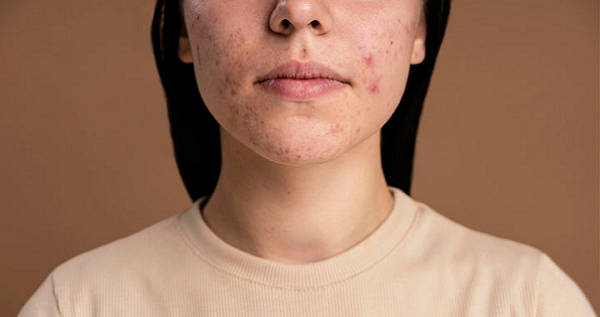
Adult acne is incredibly common, and it often has roots in hormonal imbalances, gut health, or even the wrong skincare products. Over-the-counter options can help mild cases, but persistent or cystic acne needs a clinical approach, sometimes involving prescription retinoids, antibiotics, or hormonal therapy.
Eczema and Atopic Dermatitis:
Living with eczema is exhausting. The itch-scratch cycle, the flare-ups, the constant vigilance around triggers, it takes a real toll. Treatment has evolved significantly, with newer biologic medications offering genuine relief for patients who’ve tried everything else.
Psoriasis:
Psoriasis is an autoimmune condition, not just a skin problem. Effective management often requires a combination of topical treatments, phototherapy, and sometimes systemic medications. It’s also linked to psoriatic arthritis in some patients, which is why seeing a dermatologist early actually matters for your joints too.
Hyperpigmentation and Melasma:
These are particularly common in South Asian skin tones, and they’re notoriously tricky to treat. Melanin behaves differently in deeper skin types, and using the wrong peels or lasers can worsen pigmentation rather than help it. This is an area where you really want someone with specific experience in treating diverse skin types.
Suspicious Moles and Skin Lesions:
If something changes size, shape, color, or starts bleeding, don’t wait. Early detection of skin cancer is genuinely life-saving. A dermoscopy in the hands of an experienced dermatologist can tell you a lot more than a photo ever could.
What Expert Treatment Actually Looks Like?
There’s a difference between a prescription and a treatment plan. A good dermatologist doesn’t just hand you a cream and send you on your way. They explain the why behind every recommendation, set realistic expectations, and check in on your progress.
Modern Dermatological Treatment Includes:
– Topical therapies — corticosteroids, retinoids, calcineurin inhibitors
– Systemic medications — for moderate to severe conditions like psoriasis or acne
– Biologic treatments — newer targeted therapies for conditions like eczema and psoriasis
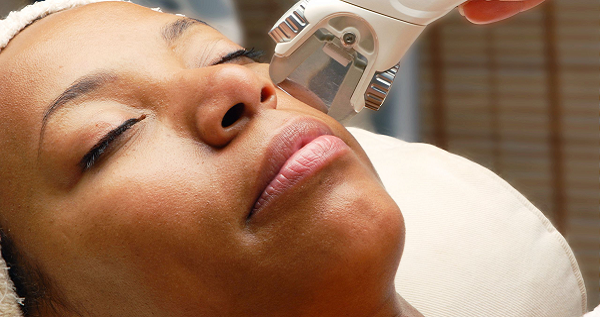
– Procedural treatments — chemical peels, laser therapy, microneedling
– Phototherapy — UV-based treatment for conditions like psoriasis and vitiligo
The best treatment plans are built around the individual, their skin type, lifestyle, health history, and what’s actually realistic for them to maintain long-term.
Finding the Right Dermatologist in Islamabad:
If you’re in Pakistan and looking for expert skin care, the quality of care you can access in Islamabad has genuinely improved over the last decade. There are now highly trained specialists who’ve completed internationally recognized fellowships and have hands-on experience with a wide range of conditions.
One name that comes up frequently in discussions about expert dermatological care is Dr. Fazeela Abbasi, widely regarded as one of the leading skin specialists in Islamabad. She’s known for combining clinical expertise with an approach that actually considers the patient not just the condition. For patients dealing with complex or long-standing skin issues, consulting someone with that level of experience makes a tangible difference.
When Looking for the Best Dermatologist in Islamabad, Consider:
- Board certification and advanced training
- Experience with your specific skin type or condition
- Access to modern diagnostic tools and treatment options
- A consultation approach where you feel genuinely heard
Don’t underestimate that last point. If a doctor dismisses your concerns or rushes through your appointment, that’s information too.
When Should You See A Skin Specialist in Islamabad?
Honestly? Earlier than most people think. Here are clear signals it’s time to stop self-treating:
- A rash or lesion lasting more than two weeks without improvement
- Acne that keeps coming back despite consistent treatment
- Any new or changing mole or spot on the skin
- Skin issues that are affecting your sleep, work, or confidence
- A sudden flare-up of a previously manageable condition
Waiting often makes things harder to treat. And in the case of skin cancer or serious infections, it matters a lot.
The Role OF Lifestyle in Skin Health:
No matter how good your dermatologist is, your skin is partly a reflection of how you’re living. Diet, sleep, stress, and sun exposure all play significant roles. That doesn’t mean your condition is “your fault,” but it does mean treatment works better when paired with honest lifestyle adjustments.
Sun protection is one area where the advice is clear and consistent: SPF every day, not just at the beach. UV damage accumulates over the years, and it’s the biggest accelerator of premature aging and pigmentation.
FREQUENTLY ASKED QUESTIONS:
How Do Know if my Skin Condition Needs a Dermatologist?
If it’s persistent (lasting more than 2–3 weeks), spreading, painful, or affecting your quality of life, see a specialist. General practitioners can handle basic skin issues, but complex or recurring conditions need expert eyes.
What’s the Difference Between a Skin Specialist and a General Doctor for Skin Issues?
A dermatologist has completed specialized training (typically 3–4 years post-medical school) specifically in skin, hair, and nail conditions. They have access to diagnostic tools, procedures, and treatments that GPs don’t typically offer.
Is Skin Treatment in Islamabad up to International Standards?
Yes, increasingly so. Many dermatologists in Islamabad have trained abroad and brought back evidence-based practices. Specialists like Dr. Fazeela Abbasi have built reputations based on clinical outcomes, not just aesthetics.
Can Skin Conditions be Completely Cured?
It depends on the condition. Some (like fungal infections) can be fully resolved. Others (like psoriasis or eczema) are managed rather than cured, but with the right plan, patients often achieve long periods of remission and significantly better quality of life.
How Many Sessions Does Skin Treatment Usually Take?
This varies widely. A single procedure, like a chemical peel, might show results after one to three sessions. Acne treatment can take three to six months. Chronic conditions are ongoing. Your dermatologist should give you a realistic timeline at your first consultation.
THE Bottom!
Skin conditions are real medical issues, not vanity projects. They deserve proper attention, accurate diagnosis, and a treatment approach tailored to you as an individual.
If you’re in Islamabad and have been putting off seeing a specialist, consider this your nudge. Whether it’s acne you’ve “just learned to live with” or something that appeared recently and looks concerning, getting expert eyes on it is always worth it.
Specialists like Dr. Fazeela Abbasi have made high-quality dermatological care more accessible in Pakistan, and the standard of treatment available here now genuinely competes with international options. You don’t have to settle for guesswork or generic solutions when real expertise is within reach.
Your skin tells a story about your health. Make sure someone qualified is helping you read it correctly.