Hair thinning is one of those concerns that quietly affects confidence long before it becomes visibly obvious. I’ve seen patients ignore early signs for months, sometimes years, hoping shampoos or oils will fix the problem. But once hair follicles start weakening, topical solutions alone rarely deliver meaningful regrowth.
That’s where PRP for Hair Regrowth: Best Treatment for Baldness and Hair Thinning has changed the conversation in modern dermatology. PRP (Platelet-Rich Plasma) Therapy isn’t a miracle cure, but when done correctly and at the right stage, it can significantly slow hair loss and even revive dormant follicles.
What is PRP for Hair Regrowth?
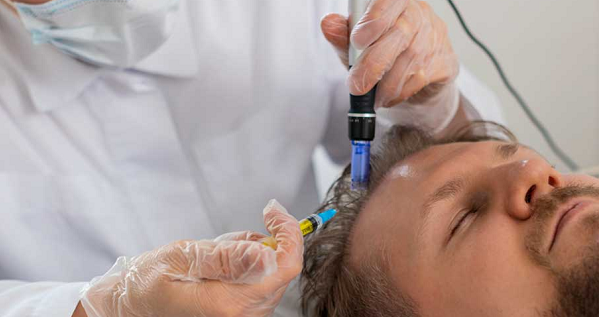
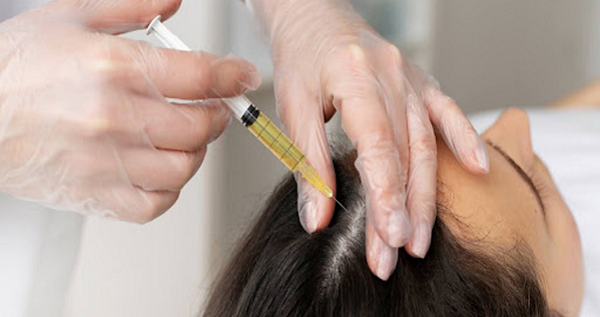
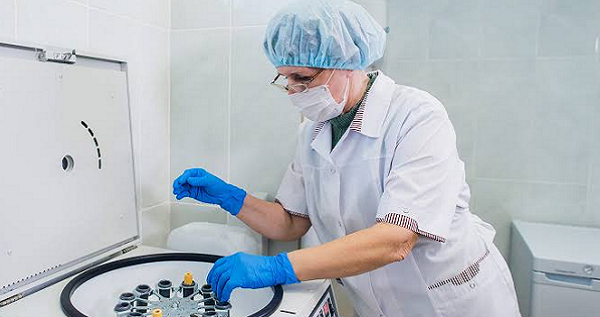
PRP therapy uses your own blood to stimulate hair follicles. A small amount of blood is drawn, processed in a centrifuge, and then platelet-rich plasma is injected into areas of thinning hair.
These platelets are rich in growth factors that:
- Stimulate dormant hair follicles
- Improve blood circulation to the scalp
- Strengthen existing hair strands
- Extend the hair growth cycle
In simple terms, PRP doesn’t create new follicles; it wakes up the ones that are still alive but inactive.
Why PRP is Considered Effective for Hair Thinning?
Most competitor articles mention PRP as “natural and safe,” but don’t fully explain why it works biologically. From a clinical perspective, the real strength of PRP lies in its regenerative signaling.
Here’s what happens at a cellular level:
- Growth factors activate stem cells in hair follicles
- Collagen production around follicles improves
- Inflammation in the scalp is reduced
- Nutrient delivery to hair roots increases
This is why patients with early-stage thinning respond much better than those with long-standing bald patches.
Who is the Best Candidate for PRP Hair Treatment?
Not everyone is an ideal candidate, and this is something often glossed over online.
PRP works best for:
- Early to moderate hair thinning
- Androgenetic alopecia (male or female pattern hair loss)
- Post-partum hair shedding
- Stress-related hair loss
It is less effective for:
- Completely bald areas with no active follicles
- Advanced scarring alopecia
- Severe long-term baldness
In my experience working alongside dermatology specialists, including structured treatment approaches seen in clinics like those associated with Dr Fazeela Abbasi, proper patient selection is the biggest factor in success.
What to Expect During PRP Hair Treatment in Islamabad?
The procedure itself is straightforward, but expectations matter.
A typical session includes:
- Blood sample collection
- Centrifuge processing
- Scalp numbing (optional but commonly used)
- Micro-injections into thinning areas
The session usually takes 30–45 minutes.
Most patients describe it as mildly uncomfortable rather than painful.
How Many PRP Sessions Are Needed?
This is where many blogs oversimplify things.
PRP is not a one-time treatment.
Standard protocol includes:
- 3 initial sessions spaced 3–4 weeks apart
- Maintenance every 4–6 months
Some patients notice reduced shedding after the second session, but visible thickening usually takes 8–12 weeks.
Results: What’s Realistic?
Let’s be honest, PRP results vary.
From clinical observation, typical outcomes include:
- Reduced hair fall within 3–6 weeks
- Improved hair texture and thickness
- Better scalp health
- Slower progression of hair loss
However, it won’t:
- Regrow a full hairline in advanced baldness
- Replace hair transplant results
- Work without consistency
Patients who combine PRP with medical treatment plans usually see better long-term stability.
PRP Hair Treatment in Islamabad: What Makes It Popular?
The rise in demand for PRP Hair Treatment in Islamabad is largely due to:
- Minimal downtime
- Natural approach (uses your own blood)
- Compatibility with other treatments
- Lower risk compared to surgical options
But one thing I always emphasize: technique matters. Poor preparation of PRP or incorrect injection depth can significantly reduce results.
Common Mistakes People Make with PRP:
Competitor articles often skip this section, but it’s important.
Some common mistakes include:
- Expecting instant results after one session
- Skipping maintenance sessions
- Combining PRP with harsh scalp treatments too soon
- Choosing clinics based only on cost
I’ve seen patients get disappointed not because PRP failed, but because expectations were unrealistic or protocols weren’t followed properly.
Side Effects and Safety:
PRP is generally safe since it uses your own blood.
Mild side effects may include:
- Temporary redness
- Slight swelling
- Mild scalp sensitivity
These usually resolve within 24–48 hours.
Serious complications are rare when performed under proper medical supervision.
PRP vs Other Hair Loss Treatments:
A quick comparison:
PRP vs Minoxidil:
- PRP works internally
- Minoxidil requires daily application
- Combining both often gives better results
PRP vs Hair Transplant:
- PRP is non-surgical
- Transplant is permanent but invasive
- PRP is best for early intervention
PRP vs Mesotherapy:
- PRP uses growth factors from your own blood
- Mesotherapy uses external vitamins and peptides
Aftercare Tips for Better Results:
Post-treatment care is often underestimated.
After PRP:
- Avoid washing hair for 24 hours
- Skip harsh shampoos for a few days
- Avoid heat styling
- Stay hydrated
- Maintain a protein-rich diet
Small habits improve follicle recovery significantly.
FAQ’s:
Is PRP Painful?
It’s mildly uncomfortable, but numbing creams make it manageable.
How Long Do PRP Results Last?
Results typically last 4–6 months with maintenance sessions.
Can PRP Stop Baldness Completely?
It can slow progression significantly, but not cure genetic baldness entirely.
When Will I See Results?
Most patients notice reduced hair fall within 1 month and visible thickening in 2–3 months.
Is PRP Safe for Women?
Yes, it is widely used for female pattern hair loss and post-pregnancy shedding.
Final Thoughts!
PRP is not a trend; it’s a biologically grounded treatment that has earned its place in modern dermatology. But its success depends heavily on timing, technique, and consistency.
In clinical practice, I’ve seen the best outcomes when patients start early rather than waiting for severe thinning. Dermatology-led approaches, such as those followed in structured care environments like Dr Fazeela Abbasi’s practice philosophy, focus on combining PRP with long-term scalp health strategies instead of treating it as a standalone solution.
If you’re noticing early hair thinning, PRP might not just be a treatment; it could be the point where you take control before further loss becomes harder to reverse.