You notice more hair in your brush, your parting looks wider, or your skin seems duller and less firm than it used to. Then you start searching for treatments that might help without surgery.
That’s where PRP often enters the conversation.
What is PRP treatment? PRP stands for platelet-rich plasma. It’s a procedure that uses a concentrated portion of your own blood to deliver platelets and their growth factors to a targeted area. PRP (platelet-rich plasma) is used in several areas of medicine, including dermatology, where it may be used for hair thinning and skin rejuvenation.
But PRP isn’t a miracle injection, and it doesn’t work equally well for everyone. The quality of the preparation, the condition being treated, the health of the patient, and realistic treatment planning all matter.
What Is PRP Treatment and How Does It Work?
PRP starts with a small blood sample. The sample is placed in a centrifuge, which separates its components and concentrates the platelets within the plasma. The resulting platelet-rich plasma is then applied or injected into the treatment area.
Platelets contain signaling proteins and growth factors involved in tissue repair. In dermatology, the goal is to use these biological signals to support processes such as collagen production, cellular activity, and the local environment around hair follicles.
A useful way to think about PRP is stimulation rather than replacement. It doesn’t create a new hair follicle where one no longer exists, and it doesn’t replace lost facial volume like a dermal filler.
How PRP Works for Hair Loss
PRP for hair is most commonly discussed in connection with androgenetic alopecia, also known as male or female pattern hair loss.
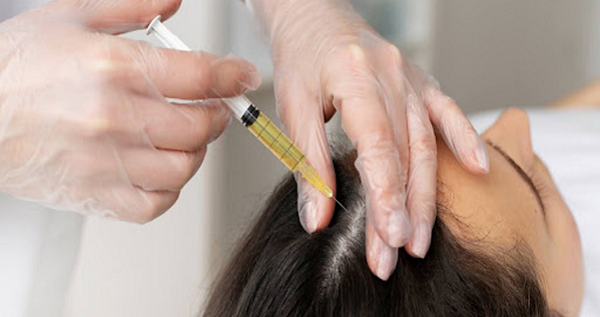
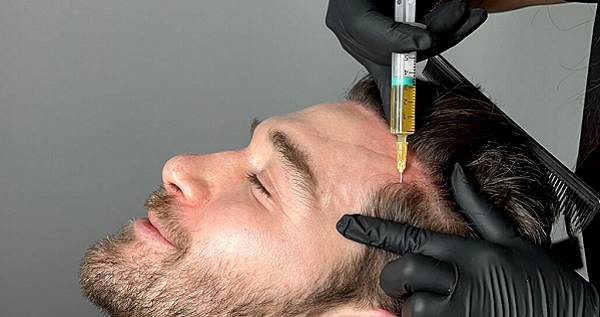
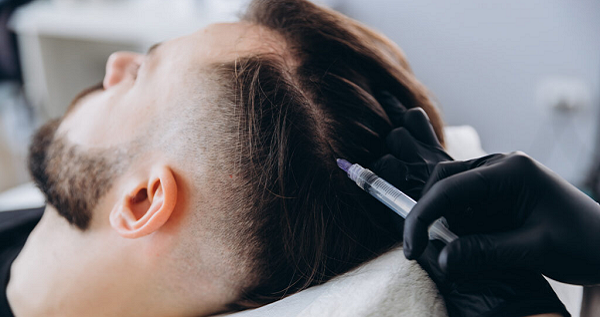
The injections are delivered into areas where follicles are weakened or miniaturized. The objective is to encourage healthier follicular activity and potentially improve hair density.
Research is encouraging but not absolute. Meta-analyses of randomized trials have found improvements in hair density among people with androgenetic alopecia, while results for hair diameter and other measures have been less consistent.
That distinction matters.
Who May Respond Best to PRP for Hair?
PRP is generally more promising when there are still active, weakened follicles to stimulate. Someone with early or moderate thinning may have more potential for improvement than someone with a completely smooth, long-standing bald area.
A dermatologist should also determine why the hair is falling out before treatment. Hair shedding can result from nutritional deficiencies, thyroid problems, hormonal changes, medications, inflammatory scalp conditions, stress, or several other causes. PRP shouldn’t automatically be the first treatment for every type of hair loss.
For people searching for PRP for Hair in Islamabad or PRP Hair Treatment in Islamabad, this diagnostic step is worth prioritizing over simply comparing session prices.
PRP for Skin: What Can It Actually Do?
PRP is also used for facial skin rejuvenation, sometimes on its own and sometimes alongside procedures such as microneedling.
The proposed benefits include supporting collagen remodeling and improving aspects of skin texture, elasticity and overall appearance. However, the evidence for facial rejuvenation is more variable than marketing claims sometimes suggest, partly because studies use different PRP preparation methods, treatment schedules and outcome measures.
That means PRP may be worth considering for selected patients, but it shouldn’t be sold as a guaranteed solution for wrinkles, pigmentation, scars or every sign of aging.
What Happens During a PRP Session?
A typical session follows these steps:
- Consultation: Your skin or scalp and medical history are assessed.
- Blood collection: A small amount of blood is taken.
- Centrifugation: The sample is processed to separate and concentrate the platelets.
- Preparation: The PRP is prepared according to the clinician’s chosen protocol.
- Application or injection: PRP is delivered to the targeted skin or scalp area.
- Aftercare: You receive instructions based on the treatment performed.
For scalp PRP, small injections are usually placed throughout areas of thinning. For facial rejuvenation, the approach may involve injections, microneedling, or a combination depending on the treatment plan.
PRP Benefits: What Can You Reasonably Expect?
Potential advantages include:
- Uses your own blood, reducing concerns associated with donor-derived material
- Minimally invasive compared with surgical procedures
- Little downtime for many patients
- May improve hair density in suitable cases
- May support skin texture and collagen-related remodeling
- Can sometimes be incorporated into a broader dermatology treatment plan
The important word is may. PRP response varies, and there’s no reliable way to guarantee a particular result. Even medical sources note that differences in preparation methods and platelet concentration can affect outcomes.
How Many PRP Sessions Are Usually Needed?
Treatment plans may involve a series of sessions separated by several weeks, followed by maintenance treatments depending on the patient and indication. Dr Fazeela Abbasi’s published guidance similarly emphasizes that session requirements depend on factors such as treatment goals, severity and individual response rather than a single fixed number.
For this reason, be cautious of anyone promising that exactly one, three or six sessions will produce a guaranteed outcome.
Who Should Avoid or Delay PRP?
PRP isn’t suitable for everyone.
Your clinician should know if you have:
- Significant blood or platelet disorders
- Active infection at the treatment site
- Certain bleeding or clotting problems
- Significant anemia or other conditions affecting blood health
- Medicines or medical conditions that could affect bleeding or healing
Never stop prescribed blood thinners or other medication simply because a clinic recommends PRP. Medication decisions should be made with the appropriate healthcare professional. Cleveland Clinic also notes that medical history and certain blood conditions can affect candidacy.
PRP Side Effects and Recovery
Because PRP involves needles, temporary discomfort, redness, swelling or tenderness can occur. Mild post-treatment symptoms generally settle relatively quickly, although recovery depends on how PRP was delivered and what other procedure was performed.
A reputable clinic should use appropriate sterile technique, explain potential complications and tell you what symptoms are normal versus what requires medical attention.
Practical aftercare
Your clinician may recommend:
- Keeping the treated area clean
- Avoiding unnecessary touching immediately afterward
- Avoiding strenuous activity for a short period if advised
- Avoiding irritating skincare or harsh scalp products immediately after treatment
- Following the clinic’s specific washing and medication instructions
Follow the instructions given for your particular procedure rather than relying on generic internet advice.
How Much Does PRP Cost in Islamabad?
There’s no single standard price for PRP in Islamabad.
Current public listings show substantial variation, with examples ranging from roughly PKR 5,000 to PKR 25,000 or more per session, depending on the provider and treatment type.
Cost can depend on:
- Hair versus facial treatment
- PRP preparation method
- Number of treatment areas
- Clinician experience
- Whether microneedling or another procedure is included
- Number of sessions recommended
A low price isn’t necessarily a bargain if the diagnosis, preparation, sterility or follow-up is inadequate. Likewise, a higher price doesn’t automatically mean better results.
Dr Fazeela Abbasi’s clinic lists PRP hair treatment among its hair-treatment services, making it one local example patients can research when considering PRP Treatment in Islamabad.
PRP vs. Other Hair Loss Options
| Treatment | Main purpose | Key consideration |
| PRP | Stimulate existing follicles | Results vary; usually needs a treatment plan |
| Minoxidil | Support hair growth and reduce progression | Requires consistent use |
| Hair transplant | Move follicles into areas of loss | Surgical and more invasive |
| Microneedling | Create controlled skin/scalp stimulation | Technique and indication matter |
| Combination therapy | Address hair loss through multiple mechanisms | Should be medically planned |
PRP may work as part of a broader treatment strategy rather than as a replacement for established therapies. Recent research is also examining PRP combined with minoxidil, suggesting that combination approaches deserve consideration in appropriate patients.
Common PRP Mistakes to Avoid
Choosing a clinic based only on price: Proper preparation and medical assessment matter.
Expecting instant regrowth: Hair biology takes time. Visible changes can take months.
Treating unexplained hair loss without a diagnosis: The cause of shedding should be investigated first.
Believing every before-and-after photograph: Photos can be affected by lighting, hair length, styling and camera angle.
Assuming more PRP is always better: Treatment frequency and preparation should be individualized.
Expecting PRP to restore completely bald areas: PRP stimulates existing biological structures; it shouldn’t be presented as a replacement for a missing follicle.
Is PRP Worth It?
PRP can be worth considering when the diagnosis is appropriate, expectations are realistic and treatment is performed by a qualified medical professional.
For hair loss, the strongest practical case is often early-to-moderate pattern thinning where viable follicles remain. For skin, PRP may be an option for selected patients seeking gradual improvements in skin quality rather than dramatic overnight transformation.
The most important question isn’t simply, “Does PRP work?” It’s “Is PRP appropriate for my particular problem?”
That’s where a proper dermatology consultation makes a difference.
Frequently Asked Questions About PRP Treatment:
How Does PRP Work for Hair?
PRP concentrates platelets from your own blood and delivers them to areas of hair thinning. Growth factors released by platelets may support follicular activity and improve hair density in suitable patients.
Is PRP Treatment Safe?
PRP is generally considered a relatively low-risk procedure when performed appropriately, but temporary pain, swelling, redness, and tenderness can occur. Infection and other complications are uncommon but possible.
How Long Does PRP Take to Show Results?
Results aren’t immediate. Hair improvement generally requires patience and may take several months to become noticeable. Skin changes can also develop gradually as tissue remodeling occurs.
How Long Do PRP Results Last?
There isn’t a fixed duration for everyone. Results depend on the condition treated, individual response, and whether the underlying problem continues. Maintenance treatment may be considered in some cases.
Is PRP Worth it for Hair Loss?
It can be worthwhile for selected patients, particularly those with pattern hair loss and viable follicles. However, PRP shouldn’t be treated as a universal cure or substitute for diagnosing the cause of hair loss.
What Should I Expect Before and After PRP?
Before treatment, expect a medical assessment and discussion of your goals, medications, and suitability. After treatment, mild tenderness, redness, or swelling may occur. Your provider should give individualized aftercare instructions.
What is the Cost of PRP in Islamabad?
Publicly listed prices vary considerably, with current examples ranging from approximately PKR 5,000 to PKR 25,000 or more per session. Your actual cost depends on the treatment area, protocol, provider, and number of sessions required.
Final Thoughts!
PRP is best understood as a regenerative-support treatment, not a magic fix. By concentrating platelets from your own blood and delivering them to selected areas, it may support hair follicle activity and aspects of skin repair and rejuvenation.
For anyone considering PRP Treatment in Islamabad, the smartest approach is to look beyond attractive promises and compare the things that genuinely affect treatment quality: diagnosis, clinician expertise, preparation protocol, hygiene, realistic expectations, and follow-up.
Whether you’re considering PRP for hair thinning or skin rejuvenation, an individualized assessment is the right starting point. A dermatologist-led approach, such as the care model offered by Dr Fazeela Abbasi, can help determine whether PRP is appropriate for your concern or whether another treatment would make more sense.