Most people experience skin issues at some point in their lives. A rash appears unexpectedly, acne refuses to clear up, or a mole starts looking different. In many cases, these problems seem minor and are often treated with over-the-counter products or home remedies.
But how do you know when a skin concern needs professional attention?
Having worked with patients seeking dermatological care, I’ve noticed that many wait far too long before consulting a specialist. By the time they seek help, a simple condition may have become more complicated, harder to treat, or even emotionally distressing.
Understanding when to visit the Best Dermatologist in Islamabad can save you time, money, and unnecessary discomfort.
Why Seeing a Skin Specialist Matters?
Your skin is the largest organ in your body and often reflects what’s happening internally. While some skin issues resolve on their own, others may indicate infections, allergies, autoimmune disorders, hormonal imbalances, or even skin cancer.
A qualified Skin Specialist in Islamabad can accurately diagnose the root cause of a condition rather than simply treating the visible symptoms.
Common Signs You Should See a Skin Specialist:
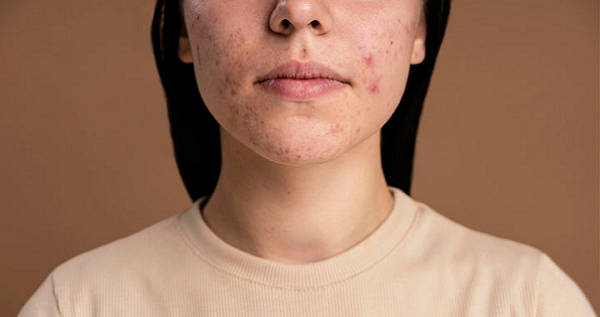
1. Persistent Acne That Doesn’t Improve:
Acne is one of the most common reasons people visit a dermatologist.
If you’ve tried multiple cleansers, creams, or online skincare trends without success, it may be time for professional help.
You should see a dermatologist if:
- Acne persists for several months
- You have painful cystic acne
- Acne leaves scars or dark spots
- Breakouts affect your confidence or mental well-being
Prescription treatments often provide faster and more effective results than self-treatment.
2. Unexplained Rashes or Skin Irritation:
A rash can be caused by countless factors, including:
- Allergies
- Eczema
- Psoriasis
- Fungal infections
- Medication reactions
If a rash spreads, becomes painful, or doesn’t improve within a couple of weeks, a dermatologist should evaluate it.
Trying random creams without knowing the cause can sometimes make the condition worse.
3. Changes in Moles or Skin Growths:
One of the most important reasons to visit a skin specialist is to rule out skin cancer.
Watch for moles that:
- Change in size
- Develop irregular borders
- Become darker or uneven in color
- Bleed or itch
- Appear suddenly
Even though skin cancer rates vary by region, early detection remains critical.
4. Chronic Itching:
Persistent itching isn’t always a simple skin problem.
It can be linked to:
- Eczema
- Allergic reactions
- Liver conditions
- Kidney disorders
- Autoimmune diseases
If itching continues for weeks without a clear explanation, professional evaluation is recommended.
5. Hair Loss and Scalp Problems:
Many people don’t realize that dermatologists also treat hair and scalp conditions.
You should seek help if you notice:
- Excessive hair shedding
- Bald patches
- Scalp redness
- Persistent dandruff
- Scalp itching
Early treatment often improves outcomes, particularly for certain forms of hair loss.
6. Recurring Skin Infections:
Frequent bacterial, fungal, or viral infections shouldn’t be ignored.
Examples include:
- Repeated fungal infections
- Persistent athlete’s foot
- Recurring boils
- Cold sores
A dermatologist can identify underlying causes and recommend long-term prevention strategies.
Skin Conditions That Often Require Specialist Care:
Many online articles briefly mention common skin disorders, but don’t explain when specialist treatment becomes necessary.
Conditions that frequently benefit from dermatological management include:
Eczema:
While mild eczema can sometimes be controlled with moisturizers, moderate to severe cases often require prescription treatments and trigger management.
Psoriasis:
Psoriasis is a chronic immune-mediated condition that typically needs professional monitoring and individualized treatment plans.
Rosacea:
Persistent facial redness, visible blood vessels, and flare-ups often respond best to dermatologist-guided treatment.
Hyperpigmentation:
Dark spots and uneven skin tone can have multiple causes. Proper diagnosis is essential before starting corrective treatments.
My Experience Working With Dermatology Patients:
One pattern I’ve seen repeatedly is people spending months or even years trying social media skincare advice before seeing a professional.
In many cases, the issue wasn’t a lack of effort. The problem was misdiagnosis.
I remember discussions around treatment approaches recommended by respected dermatology experts such as Dr Fazeela Abbasi, whose work highlights the importance of individualized skincare rather than following one-size-fits-all trends. This approach often leads to better and more sustainable results.
Every skin condition has unique triggers, causes, and treatment requirements.
How to Choose the Right Dermatologist?
If you’re searching for the Best Dermatologist in Islamabad, consider these factors:
Qualifications and Experience:
Look for board-certified professionals with experience treating your specific condition.
Patient Reviews:
Patient experiences can provide insight into communication style, treatment success, and clinic standards.
Available Treatments:
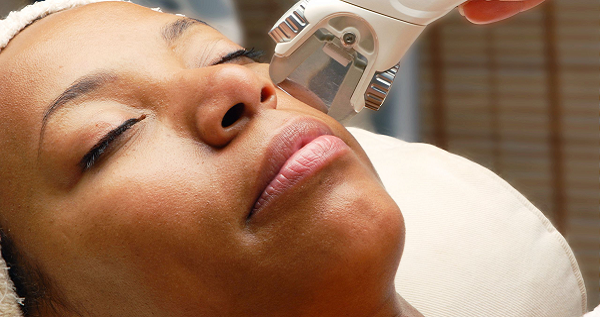
Modern dermatology offers a wide range of options, from medical therapies to advanced laser and cosmetic procedures.
Personalized Care:
A good Dermatologist Specialist in Islamabad will create a treatment plan tailored to your skin type, lifestyle, and goals.
Don’t Wait for Symptoms to Become Severe:
Many skin problems become easier to treat when addressed early.
Consider scheduling an appointment if:
- Symptoms last longer than two weeks
- Over-the-counter treatments fail
- The condition worsens
- Pain, bleeding, or infection develops
- Skin changes affect your quality of life
Seeking professional advice early can prevent unnecessary complications.
Frequently Asked Questions:
When Should I See a Dermatologist for Acne?
If acne persists despite regular skincare, causes scarring, or becomes painful and cystic, professional treatment is recommended.
Can a Dermatologist Help with Hair Loss?
Yes. Dermatologists diagnose and treat many causes of hair loss, including hormonal, genetic, and autoimmune conditions.
Should I be Concerned about Changing Moles?
Any mole that changes shape, size, color, or texture should be examined by a dermatologist as soon as possible.
How Often Should I Have a Skin Check?
People with a history of skin cancer, numerous moles, or high sun exposure may benefit from regular skin examinations. Your dermatologist can recommend an appropriate schedule.
Is it Okay to Treat Skin Conditions at Home?
Minor issues may improve with home care, but persistent, worsening, or recurring symptoms should be professionally evaluated.
Conclusion!
Your skin often provides early clues about your overall health. While some concerns are temporary, others require professional diagnosis and treatment. If you’re dealing with persistent acne, unexplained rashes, chronic itching, changing moles, or recurring infections, it’s worth consulting a qualified skin specialist, such as those at Dr Fazeela Abbasi Clinic, rather than relying solely on trial-and-error solutions.
The right dermatologist doesn’t just treat symptoms; they help identify causes, prevent complications, and create a personalized plan that supports long-term skin health. Taking action early is often the simplest and most effective step toward healthier skin.