Hair loss can feel frustrating, especially when you start noticing thinning areas, a widening part line, or more hair falling out than usual. The good news is that early hair loss is often the stage where treatment options can make the biggest difference.
One treatment that has gained popularity in recent years is Platelet-Rich Plasma (PRP) therapy. Many people searching for PRP Hair Treatment in Islamabad, or PRP in Islamabad, are looking for a solution that harnesses their body’s own healing factors rather than relying solely on medications or surgical procedures.
PRP Hair Treatment for Early Hair Loss: Is It Worth It? But does PRP actually work, is it worth the investment, and who is the right candidate for this treatment?
Let’s explore the science behind PRP, realistic expectations, and what you should know before booking a session for early hair loss.
What Is PRP Hair Treatment?
PRP hair treatment is a non-surgical procedure that uses a concentrated form of your own blood platelets to support hair growth.
The process usually involves:
- A small blood sample being collected.
- The blood being processed in a centrifuge to separate platelet-rich plasma.
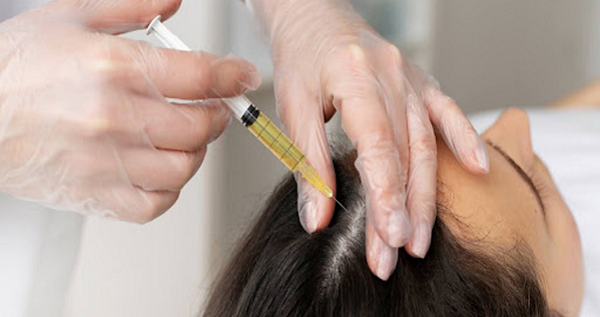
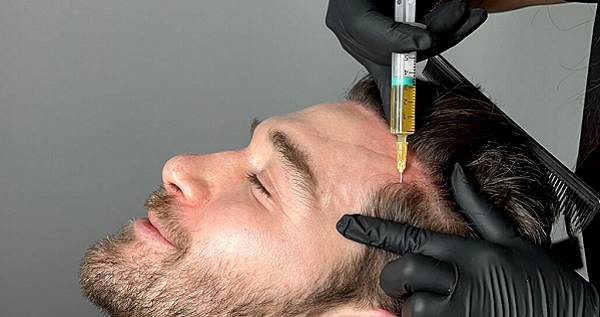
- The concentrated plasma being injected into areas of the scalp affected by thinning.
Platelets contain growth factors that may help stimulate dormant hair follicles, improve scalp health, and support thicker hair growth.
PRP is not a hair transplant, and it doesn’t create new follicles. Instead, it aims to improve the function of existing follicles that are weakened but still active.
Is PRP Worth It for Early Hair Loss?
For many people with early-stage hair thinning, PRP can be worth considering because the follicles are usually still capable of responding.
The earlier treatment begins, the better the chances of maintaining existing hair density.
PRP may be beneficial for:
- Early male pattern hair loss
- Female pattern hair thinning
- Reduced hair thickness
- Excessive shedding linked to weakened follicles
- People looking for a minimally invasive option
However, expectations matter. PRP is not a guaranteed cure for baldness, especially when follicles have completely stopped producing hair.
A realistic goal is usually stronger, healthier-looking hair and reduced shedding rather than a complete restoration of lost density.
How Effective Is PRP Hair Treatment?
Research suggests PRP can improve hair thickness and density in some patients, especially those with androgenetic alopecia (pattern hair loss).
Results vary depending on:
- Age
- Cause of hair loss
- Severity of thinning
- Overall health
- Quality of the PRP preparation
- Treatment consistency
Most patients require multiple sessions rather than a single visit. Many clinics recommend an initial treatment plan followed by maintenance sessions depending on results.
A proper diagnosis is important before starting. Hair loss caused by nutritional deficiencies, thyroid issues, hormonal changes, or scalp conditions may require additional treatment.
What to Expect During PRP Hair Treatment?
A typical PRP session usually takes less than an hour.
Most patients experience:
- Mild discomfort during injections
- Temporary redness or swelling
- Slight scalp sensitivity afterward
Downtime is minimal, which is one reason many people prefer PRP over surgical options.
A common mistake is expecting immediate results. Hair growth takes time because follicles work through natural growth cycles. Visible improvement often requires patience over several months.
PRP Treatment in Islamabad: Choosing the Right Clinic
When considering PRP Hair Treatment in Islamabad, the clinic and practitioner’s experience matter.
A good consultation should include:
- A proper assessment of your hair loss pattern
- Discussion of possible causes
- Realistic expectations
- Explanation of the treatment plan
- Advice about complementary treatments if needed
Experts such as Dr Fazeela Abbasi have helped bring attention to evidence-based approaches in dermatology and aesthetic care, where patient evaluation and personalized treatment planning are key.
The right provider won’t simply recommend PRP for everyone. They’ll first determine whether your type of hair loss is likely to respond.
PRP vs Other Hair Loss Treatments
PRP is often compared with medications, supplements, and hair transplant procedures.
PRP Advantages
- Uses your own blood components
- Minimally invasive
- Little downtime
- Can be combined with other treatments
PRP Limitations
- Results differ from person to person
- Multiple sessions may be needed
- Maintenance may be required
- It may not help advanced baldness
For some patients, PRP works best as part of a broader hair restoration plan rather than a standalone treatment.
Common Mistakes People Make Before Getting PRP
Many people focus only on finding the cheapest option. That can be risky.
Before choosing PRP, avoid:
- Skipping a proper diagnosis
- Expecting overnight regrowth
- Ignoring underlying health issues
- Comparing your results with someone else’s timeline
A personalized approach usually leads to better decisions.
Frequently Asked Questions About PRP Hair Treatment
How Many PRP Sessions are Needed for Hair Loss?
Most treatment plans involve multiple sessions, often spaced several weeks apart. The exact number depends on your hair loss condition and response to treatment.
Is PRP Painful?
Most people describe PRP injections as uncomfortable rather than painful. A numbing solution may be used to improve comfort.
How Long Do PRP Hair Results Last?
Results vary. Some people maintain improvements with occasional maintenance treatments, while others may need additional therapies to support continued hair health.
Can PRP Regrow Completely Bald Areas?
PRP works best when follicles are weak but still functioning. Completely bald areas with inactive follicles usually do not respond significantly.
Is PRP Better than a Hair Transplant?
They treat different problems. PRP supports existing follicles, while a hair transplant relocates follicles to areas with significant loss.
Is PRP Hair Treatment in Islamabad Safe?
When performed by a qualified medical professional using proper techniques, PRP is generally considered a safe procedure because it uses your own blood components.
Final Thoughts
PRP hair treatment can be a valuable option for people noticing early thinning and looking for a non-surgical approach. Under the guidance of Dr Fazeela Abbasi, the focus is on identifying the right stage of hair loss and creating realistic expectations for results.
It’s not a magic fix, but for suitable candidates, PRP may help improve hair quality, strengthen existing follicles, and slow visible thinning.
If you’re considering PRP for Hair in Islamabad, focus less on promises of instant results and more on proper diagnosis, medical expertise, and a treatment plan designed around your specific hair loss pattern.