Hair thinning can be frustrating, especially when you start noticing more hair on your pillow, in the shower, or a widening part line. If you’re looking for a non-surgical option, you may have come across PRP hair treatment.
So, Can PRP Treatment Help with Thinning Hair? Yes, PRP may help improve hair density and support weakened hair follicles, particularly in people with certain types of hair loss. However, it isn’t a guaranteed cure, and the results depend on the cause and severity of hair thinning.
For people considering PRP in Islamabad, understanding how the treatment works and whether you’re a suitable candidate is important before starting.
What Is PRP Hair Treatment?
PRP stands for Platelet-Rich Plasma. It is prepared using a small sample of your own blood.
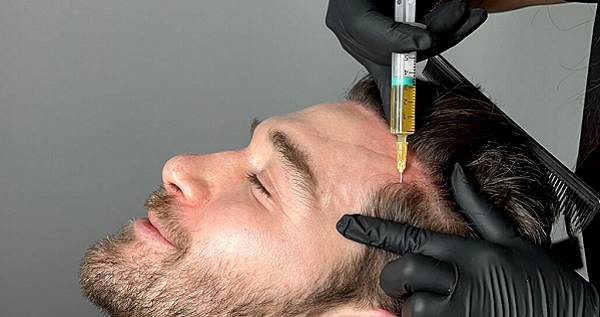
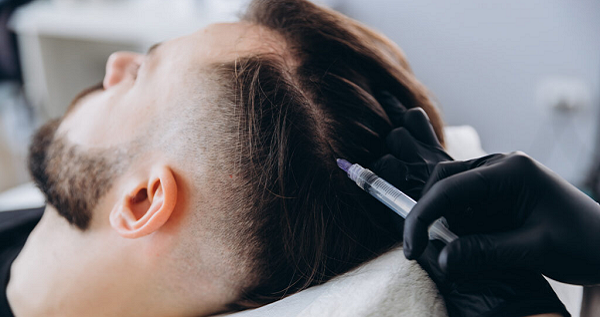
During the procedure, blood is collected and processed to separate the platelet-rich plasma. Platelets contain growth factors that may support tissue repair and cellular activity. The prepared PRP is then injected into areas of the scalp where hair is thinning.
The purpose is to support existing hair follicles and encourage healthier hair growth. PRP is generally more useful when follicles are still present but have become weak or are producing thinner hairs.
How Does PRP Help Thinning Hair?
PRP may help create a healthier environment around hair follicles. Its growth factors may support follicular activity and potentially improve the thickness and density of existing hair.
Possible benefits include:
- Supporting weakened hair follicles
- Improving hair density
- Increasing the thickness of some existing hairs
- Reducing the visible appearance of thinning
- Supporting healthier hair growth
- Offering a minimally invasive treatment option
However, PRP shouldn’t be considered a treatment that can bring back hair from areas where follicles have been permanently destroyed.
Who Is a Good Candidate for PRP?
PRP may be suitable for people experiencing early to moderate hair thinning, particularly those with pattern hair loss where viable follicles are still present.
Before treatment, a dermatologist may assess:
- The pattern and severity of hair loss
- How long the thinning has been occurring
- Scalp health
- Hair and follicle density
- Family history of hair loss
- Medical conditions
- Current medications
- Hormonal or nutritional factors
Finding the cause of hair loss is essential. Hair thinning can also occur because of stress, nutritional deficiencies, hormonal changes, thyroid problems, certain medications, illness or scalp conditions.
What Happens During PRP Hair Treatment?
A typical PRP hair treatment involves three main steps.
First, a small amount of blood is drawn from your arm.
Second, the blood is processed in a centrifuge to separate the platelet-rich plasma.
Finally, the PRP is carefully injected into the areas of the scalp affected by thinning.
The procedure is minimally invasive and usually requires little downtime. Some people may experience temporary redness, tenderness, swelling or mild discomfort after treatment.
When performed by an experienced dermatologist, PRP can be incorporated into a personalized hair-loss treatment plan. Dr Fazeela Abbasi is one example of a dermatologist who evaluates hair and scalp concerns before recommending appropriate treatment options.
How Many PRP Sessions Are Needed?
There isn’t one fixed number of PRP sessions that works for every patient.
A treatment plan may involve several sessions spaced a few weeks apart, followed by an assessment of progress. Some patients may also require maintenance treatments depending on their response and underlying hair-loss condition.
Instead of choosing a clinic based only on the number of sessions included in a package, ask how the recommended treatment schedule relates to your specific type of hair loss.
When Will You See PRP Hair Results?
PRP doesn’t produce instant hair growth. Hair naturally grows slowly, so noticeable improvement takes time.
Some people may notice changes in shedding or hair quality before they see a clear improvement in density. More visible changes may take several months.
Taking photographs before starting treatment can be helpful. Comparing photographs taken under similar lighting and from the same angles gives you a more realistic way to monitor gradual changes.
PRP Hair Treatment in Islamabad: What Affects the Cost?
The cost of PRP Hair Treatment in Islamabad can vary from clinic to clinic. Factors such as the treatment technique, number of sessions, areas being treated, and individual treatment plan can affect the overall cost.
It’s important not to choose a provider based solely on price. The practitioner’s qualifications and experience, hygiene standards, proper diagnosis, and quality of treatment should be considered when making a decision.
PRP vs. Other Hair-Loss Treatments
PRP isn’t necessarily a replacement for other hair-loss treatments. Depending on the diagnosis, a dermatologist may recommend PRP alone or combine it with other approaches.
For example, minoxidil is commonly used for certain types of hair loss, while PRP is an injectable treatment intended to support existing follicles.
The best option depends on the underlying cause, severity of hair loss and your individual circumstances.
Who Should Avoid PRP Without Medical Assessment?
PRP isn’t suitable for everyone, and a medical assessment is important before treatment.
You should discuss your medical history with a qualified professional if you have:
- A blood or platelet disorder
- An active scalp infection
- Problems affecting blood clotting
- Certain medical conditions
- Unexplained or sudden hair loss
- Medications that may increase bleeding
If your hair loss is sudden, patchy, painful, or associated with scalp inflammation, finding the underlying cause should be a priority.
Common Mistakes People Make With PRP
One of the biggest mistakes is expecting PRP to permanently cure hair loss. While it may improve density in suitable patients, it doesn’t necessarily eliminate the underlying cause of genetic hair loss.
Another mistake is starting treatment without understanding why the hair is thinning. If an underlying medical or nutritional problem is responsible, that issue may also need attention.
Some people also judge the treatment too quickly. Hair growth takes time, so results should be assessed over an appropriate period rather than after only a few weeks.
Finally, choosing a clinic only because it offers the lowest price can be risky. Proper assessment, professional experience and safe treatment practices matter more than finding the cheapest session.
Frequently Asked Questions
Does PRP Really Work for Thinning Hair?
PRP may improve hair density and thickness in some people, particularly those with certain forms of pattern hair loss. However, results vary from person to person, and PRP isn’t a guaranteed cure.
Is PRP Safe for Hair Loss?
PRP is generally considered a minimally invasive treatment. Temporary redness, tenderness, swelling, or bruising can occur following scalp injections.
Is PRP Painful?
You may feel small injections or pressure during the procedure. Depending on the treatment approach, a numbing method may be used to make the procedure more comfortable.
How Long Do PRP Hair Results Last?
The duration of results varies between individuals. Some people may require maintenance treatments, depending on their underlying hair-loss condition and response to PRP.
Can PRP Regrow Completely Bald Areas?
PRP is mainly intended to support existing hair follicles. It is less likely to restore hair in areas where follicles have been permanently lost.
Is PRP Worth it for Thinning Hair?
PRP can be a worthwhile option for appropriately selected patients, particularly when thinning is identified early. However, it’s important to have a proper diagnosis and realistic expectations before starting treatment.
What Should I Expect Before and After PRP?
Before treatment, your dermatologist should assess your hair loss and scalp condition and discuss realistic expectations. After treatment, temporary tenderness, redness, or swelling may occur. Follow your provider’s aftercare instructions and avoid unnecessary manipulation of the scalp immediately after treatment.
Final Thoughts
So, Can PRP Treatment Help with Thinning Hair? It can help some people improve hair density and support weakened follicles, particularly when treatment is started while the follicles are still active.
However, PRP isn’t a miracle solution. Results depend on the cause of hair loss, follicle health, treatment approach and individual response.
If you’re considering PRP in Islamabad, start with a professional hair and scalp assessment. A qualified dermatologist such as Dr Fazeela Abbasi can help determine whether PRP is suitable for your condition and whether another treatment or combination approach may provide better results.
The goal shouldn’t simply be to have PRP treatment. It should be to understand why your hair is thinning and choose a safe, realistic and appropriate treatment plan.