Hair loss has a way of affecting more than just your appearance. I’ve spent years researching non-surgical hair restoration options and speaking with patients who have tried everything from supplements to expensive shampoos with little success. One treatment that consistently comes up is Platelet-Rich Plasma (PRP) Therapy.
The problem? There’s also a lot of misinformation surrounding it.
If you’re considering Natural Hair Regrowth with PRP, it’s worth understanding what science actually says and where expectations should be realistic. Let’s separate the myths from the facts.
What Is PRP Hair Treatment?
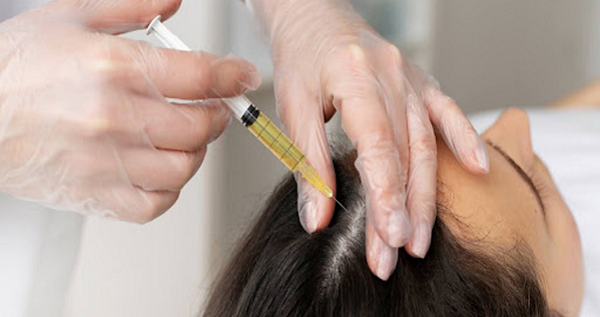
PRP, or Platelet-Rich Plasma, is created using a small sample of your own blood. The blood is processed to concentrate platelets, which contain growth factors believed to support tissue repair and stimulate inactive hair follicles.
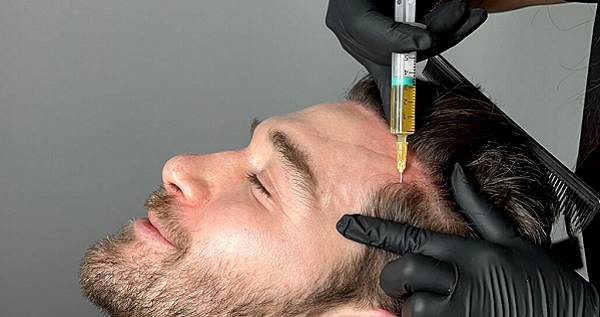
During treatment, the PRP is injected into targeted areas of the scalp where hair thinning is occurring.
Unlike hair transplantation, PRP doesn’t create new hair follicles. Instead, its goal is to improve the health of existing follicles and encourage stronger, thicker hair growth.
Myth #1: PRP Can Regrow Hair for Everyone
Fact: PRP isn’t a miracle cure.
One of the biggest misconceptions is that PRP works regardless of the cause of hair loss. In reality, results depend on several factors, including:
- The underlying cause of hair loss
- Age
- Overall scalp health
- How advanced the hair thinning has become
- Consistency with treatment sessions
From what I’ve observed, patients with early-stage androgenetic alopecia often experience better outcomes than those with long-standing bald areas where follicles are no longer active.
Myth #2: You’ll See Results After One Session
Fact: Hair growth takes time.
Hair follows a natural growth cycle, and PRP works within that biological process.
Most specialists recommend an initial series of treatments spaced several weeks apart, followed by maintenance sessions when appropriate.
Visible improvements often include:
- Reduced hair shedding
- Improved hair thickness
- Better hair density
- Stronger individual strands
Many people begin noticing changes after a few months rather than a few weeks.
Myth #3: PRP Is Completely Pain-Free
Fact: It’s generally well tolerated, but some discomfort is normal.
Since injections are involved, mild discomfort can occur during the procedure. Most clinics use numbing techniques to improve comfort.
After treatment, temporary effects may include:
- Mild scalp tenderness
- Slight redness
- Minor swelling
These usually resolve quickly.
Myth #4: PRP Works Better Than Every Other Hair Loss Treatment
Fact: It depends on the individual.
One thing I’ve learned while reviewing treatment outcomes is that PRP often performs best as part of a comprehensive hair restoration plan rather than as a standalone solution.
A qualified practitioner may recommend combining PRP with:
- Medical evaluation of hair loss
- Nutritional assessment
- Prescription medications where appropriate
- Healthy scalp care
- Lifestyle improvements
Personalized treatment generally delivers more consistent long-term results than relying on a single therapy.
Myth #5: PRP Is Unsafe
Fact: PRP has a strong safety profile when performed correctly.
Because PRP uses your own blood, the risk of allergic reactions is very low.
Safety largely depends on:
- Proper patient selection
- Sterile clinical techniques
- Correct preparation methods
- Experienced medical professionals
Choosing an experienced aesthetic physician is far more important than choosing the lowest price.
Who Is a Good Candidate for PRP?
PRP may be suitable for people who:
- Have early or moderate hair thinning
- Notice increased hair shedding
- Want a minimally invasive treatment
- Prefer using their body’s natural healing mechanisms
It may not be the best option for individuals with extensive baldness where follicles are no longer functioning.
A proper consultation should always come before treatment.
My Experience Observing PRP Outcomes:
Over the years, I’ve noticed one common pattern among successful PRP patients: realistic expectations.
Those expecting Hollywood-style overnight transformations often leave disappointed.
Those who understand that PRP is designed to improve existing follicles—not perform miracles—are usually much happier with their progress.
I’ve also seen experienced dermatologists emphasize individualized treatment planning rather than offering PRP as a one-size-fits-all solution. Professionals such as Dr Fazeela Abbasi have frequently highlighted the importance of proper diagnosis before recommending any hair restoration procedure, which aligns with current evidence-based practice.
Finding PRP in Islamabad:
If you’re searching for PRP in Islamabad, don’t focus solely on pricing or promotional offers.
Instead, look for:
- Qualified dermatologists or aesthetic physicians
- Detailed scalp assessment before treatment
- Transparent discussion of expected results
- Proper hygiene standards
- Customized treatment plans
The same advice applies when considering PRP for Hair in Islamabad or comparing clinics offering PRP Hair Treatment in Islamabad. Experience, technique, and patient evaluation matter significantly more than marketing claims.
Frequently Asked Questions:
Does PRP Permanently Cure Hair Loss?
No. PRP helps improve existing hair growth, but maintenance sessions may be needed depending on the cause of hair loss.
How Many PRP Sessions are Usually Required?
Treatment plans vary, but many patients begin with several initial sessions followed by maintenance treatments if recommended by their physician.
Can Women Benefit from PRP?
Yes. PRP is commonly used for both men and women experiencing certain types of hair thinning.
Is There Any Downtime?
Most people return to normal daily activities within a day, although your provider may recommend avoiding strenuous exercise or hair washing for a short period.
Is PRP Worth Trying?
For suitable candidates with realistic expectations, PRP can be a valuable non-surgical option to improve hair thickness and reduce shedding. The key is receiving treatment from an experienced medical professional after a proper diagnosis.
Final Thoughts!
Natural hair restoration isn’t about chasing miracle cures; it’s about choosing treatments backed by sound science and realistic expectations. PRP has earned its place as a valuable option for many people experiencing hair thinning, but it’s not a universal solution. Success depends on selecting the right candidates, identifying the underlying cause of hair loss, and following a personalized treatment plan. Whether you’re exploring PRP in Islamabad for the first time or comparing options for PRP Hair Treatment in Islamabad, consulting the Best Dermatologist Dr Fazeela Abbasi, for a comprehensive evaluation can help you determine whether PRP is the right choice for your specific condition. Taking the time to seek expert guidance is always the smartest first step. When expectations are grounded in facts rather than myths, you’re far more likely to make informed decisions and achieve results you can genuinely appreciate.